
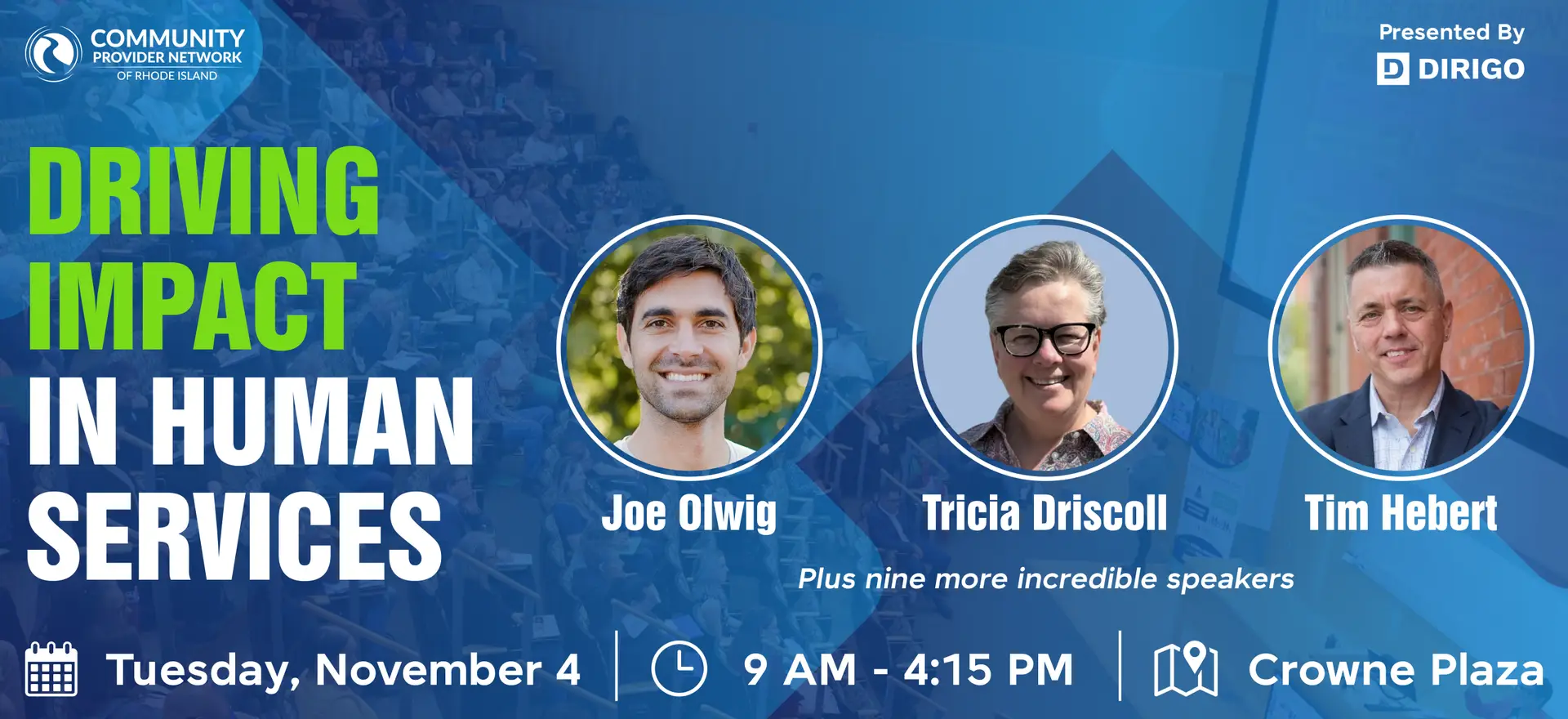
CONFERENCE SCHEDULE
Doors Open & Light Refreshments
Check in & meet other attendees
Welcome & Keynote Speakers
Keynote Address: Rethinking How to Build a Healthy Organization with Joe Olwig
Breakout Session A
You will attend one session during this time slot, selected during registration. See options below.
Lunch
Take a break and eat food provided by the conference.
Breakout Session B
You will attend one session during this time slot, selected during registration. See options below.
Breakout Session C
You will attend one session during this time slot, selected during registration. See options below.
CONFERENCE SPONSORS & HIGHLIGHTS


BREAKOUT SESSIONS
Click below to see your breakout options. Please pay attention to what breakout session it is in as you will register for one session per timeslot.
Turning Technology into Your Greatest Asset (Breakout Session A - 10:30AM)
SPEAKER(s): Tim Hebert, Dirigo
AUDIENCE: IT & HR Staff
DESCRIPTION: In today’s fast-paced environment, technology can either be a bottleneck or a springboard. This session will explore how Health and Human Services (HHS) organizations can transform IT from a reactive support function into a proactive platform for innovation. Attendees will learn how to assess and increase IT operational maturity, secure their environments against ever-evolving threats and lay the groundwork for sustainable digital transformation.
Megatrends in Health & Human Services: Technology's Expanding Frontier (Breakout Session B - 1PM)
SPEAKER(s): Tim Hebert, Dirigo
AUDIENCE: IT & HR Staff & All Staff
DESCRIPTION: Technology is reshaping the future of care delivery, administration and operations in the HHS sector. This dynamic panel discussion will explore the most significant megatrends transforming the field, from cybersecurity threats and AI integration to platform interoperability and next-gen applications. Hear directly from IT experts, executive leaders and frontline innovators about what’s next, what’s urgent and what’s possible.
Insurance and Risk Management, Cyber Liability: The Risk, The Claims, The Coverage (Breakout Session C - 2:45PM)
SPEAKER(s): Stephen Farrelly, USI
AUDIENCE: Executive directors, managers & HR
DESCRIPTION: In an increasingly digital world, understanding cyber liability is more critical than ever. This session will provide an overview of cyber risk exposure and how it impacts organizations of all sizes. Participants will explore real-world claim scenarios, key elements of cyber liability insurance, and best practices for managing and mitigating cyber-related threats. Whether you’re new to risk management or seeking to strengthen your current strategies, this session offers essential insights into protecting your organization against today’s evolving cyber risks.
Neuroinclusive Workplace (Breakout Session A - 10:30AM)
SPEAKER(s): Ariana DeAngelis, The Autism Project
AUDIENCE: All Staff
DESCRIPTION: To create an inclusive workplace is to ensure that all people within the environment feel supported, included, and experience a sense of authentic belonging. For neurodivergent people (autistic people, people with ADHD, dyslexia, dyscalculia, Tourette Syndrome etc.), that sense of belonging comes from being understood, accommodated (where necessary), and supported. Within this training, the audience takes the first step towards a deeper understanding of neurodivergence through education on different neurotypes. How might neurodivergence impact an individual in their work? What strengths and talents are often associated with neurodivergence? Begin the journey towards deeper understanding with Creating a Neuroinclusive Workplace: An Introduction to Neurodiversity.
Labor Law Education and HR Process Training (Breakout Session B & C - 1PM & 2:45PM)
SPEAKER(s): William E. O’Gara
AUDIENCE: IT & HR Staff
DESCRIPTION: Attorney William E. O’Gara will discuss changes in various labor law topics, including a deep dive into ADA interactive process and decision making, general and sexual harassment investigation process, pregnancy accommodation laws and request process and performance management and termination process.
Leading Across Generations (Breakout Session A - 10:30AM)
SPEAKER(s): Tricia Driscoll, Center for Mediation and Collaboration Rhode Island
AUDIENCE: All Staff
DESCRIPTION: Participants will learn to recognize and adapt to characteristics of generational diversity. This knowledge will be used to practice effective communication and engagement with both clients and colleagues. As a result, team members will be empowered to engage with others in a manner that effectively aligns with core values and mission.
Unlocking Team Engagement (Breakout Session B - 1PM)
SPEAKER(s): Joe Olwig, 6 Levers
AUDIENCE: All Staff
DESCRIPTION: In today’s workplaces, employee engagement is at an all-time low, and managers, who account for 70% of the variance in engagement, often lack the confidence and skills to cultivate a culture of engagement. The result? Disengaged employees, lost opportunities and unmet potential. This session unpacks the connection between engagement and meeting fundamental human needs, with a focus on how leaders directly shape the conditions for success. You’ll explore how certain leader behaviors build or break psychological safety and learn three essential competencies for unlocking the engagement of your team. Leave with actionable strategies to create environments where trust, belonging, and purpose become the foundation of your team’s success.
Navigating Conflict at Work (Breakout Session C - 2:45PM)
SPEAKER(s): Tricia Driscoll, Center for Mediation and Collaboration Rhode Island
AUDIENCE: All Staff
DESCRIPTION: Participants will build on knowledge around communication, learn skills and strategies to engage in challenging conversations, to help create a culture of trust where team members have the skills and strategies to engage in challenging conversations.
Applying a Multi-Faceted Approach to Behavioral Challenges (Breakout Session A - 10:30AM)
SPEAKER(s): Randy Machado, Looking Upwards
AUDIENCE: All Staff
DESCRIPTION: This breakout session will discuss historic and present-day approaches to behavioral programming, behavioral regulations, various behavioral techniques to shape and address behavior, and walk participants through the creation of a behavioral design that encompasses one’s disability level, co-occurring mental health factors and the multitude of other factors that require consideration when constructing a strong behavioral support plan. A practical scenario and example will be discussed, outlining this approach.
Maximizing Client Involvement in Therapeutic Decisions (Breakout Session B - 1PM)
SPEAKER(s): Cody Morris, Salve Regina University
AUDIENCE: Frontline Staff
DESCRIPTION: Services for individuals with developmental and related disabilities should prioritize each client’s independence and autonomy. One essential component of supporting independence and autonomy is involving clients in therapeutic decisions. However, client involvement in therapeutic decisions can be difficult to facilitate in contexts where the clients have limited communication skills. The purpose of this talk is to describe adaptive strategies to involve clients in therapeutic decisions in an effort to maximize client involvement in therapeutic decisions for all clients served.
The Constructional Approach to Challenging & Disruptive Behaviors (Breakout Session C - 2:45PM)
SPEAKER(s): Cody Morris, Salve Regina University
AUDIENCE: Frontline Staff
DESCRIPTION: Approximately 12.5% of individuals with developmental disabilities engage in challenging and disruptive behaviors, such as aggression and self-injurious behavior, that put themselves or others at risk of harm. In particular, engaging in these challenging and disruptive behaviors puts individuals with developmental disabilities at higher risk of losing access to educational opportunities, visiting emergency departments in hospitals for non-medical emergencies, and living in restrictive settings. Applied Behavior Analysis (ABA) has decades of research demonstrating its effectiveness in assessing and treating severe behaviors in individuals with developmental disabilities and other disorders. One reason for the success that ABA has had in helping individuals address their challenging and disruptive behaviors is that many ABA practitioners assume a constructional approach to the treatment that prioritizes skill development as the foundation of any treatment. This talk will explain the constructional approach and discuss how it might be applied across clinical contexts beyond ABA.
Community Connections (Breakout Session A - 10:30AM)
SPEAKER(s): Kelly Petersen & Christine Allenson, BHDDH
AUDIENCE: All Staff
DESCRIPTION: In this session, we will discuss what roles the services system could play in encouraging more relationships and friendships between individuals with disabilities and other community members. We will also explore what roles citizens play in increasing the inclusiveness of their community. Managers and supervisors are critical to having the work of community-building be successful. BHDDH will provide tips related to management of staff, and talk about how to start shifting focus and thinking, from “activities” to “people” when thinking about helping people achieve their goals. Attendees will leave with worksheets to use with staff in training or for use with individuals we are working with directly such as creating a circle of support, relationship mapping and others.
An Introduction to the NADSP Code of Ethics (Breakout Session A - 10:30AM)
SPEAKER(s): John Raffaele, NADSP
AUDIENCE: Frontline Staff
DESCRIPTION: The knowledge and skills of direct support practice must be joined with the ethical principles to create the environment needed to fully support people in making life choices. To do so effectively, we must all recognize Direct Support Professionals (DSPs) as professionals who have values, skills and knowledge that constitute a unique and important profession, and who can infuse these beliefs into practice. This is an introduction to the NADSP Code of Ethics and will explore the nine parts (tenets) of the code and offer participants ideas for incorporating the use of the Code of Ethics in everyday direct support practice.
Applying the NADSP Code of Ethics in Direct Support Work (Breakout Session B - 1PM)
SPEAKER(s): PJ Harder, Perspectives Corporations
AUDIENCE: All Levels of Staff, Primarily Direct Support Professionals
DESCRIPTION: Direct Support Professionals (DSPs) make countless decisions every day, each one carrying the potential to significantly impact the lives of the individuals they support. This engaging session will introduce attendees to the National Alliance for Direct Support Professionals (NADSP) Code of Ethics and demonstrate how it serves as a valuable guide for ethical decision-making in direct support. Through an interactive panel discussion, Certified Direct Support Professionals (DSPs) from Perspectives Corporation will describe how the NADSP Code of Ethics guides their daily work. DSPs will share stories that reflect key tenets of the Code, offering participants meaningful insights into how ethical reflection and values-based practice can elevate the quality of direct support and contribute to their personal and professional growth.
Informed Decision-Making (Breakout Session B - 1PM)
SPEAKER(s): John Raffaele, NADSP
AUDIENCE: All Staff
DESCRIPTION: Relationships, privacy, sexuality, well-being, and in many other areas, people with intellectual and developmental disabilities should be supported in making informed decisions. This must take place while helping them understand the associated risks and responsibilities that are tied to those decisions. The skill of informed decision-making will be introduced to participants in this session.
Creating a Culture of Competency (Breakout Session C - 2:45PM)
SPEAKER(s): John Raffaele, NADSP
AUDIENCE: Frontline Staff
DESCRIPTION: In this engaging and interactive training session, participants will learn the latest best practices in direct support that go well beyond the regulations and state-level requirements for this profession. Most training and development for direct support professionals (DSPs) focuses on regulatory and mandated topics. By embracing the NADSP Code of Ethics and focusing on nationally-validated NADSP Competency Areas, direct support professionals and organizations can ensure that they are supporting personal autonomy, access to integrated settings, informed choices, and person-centered practices.
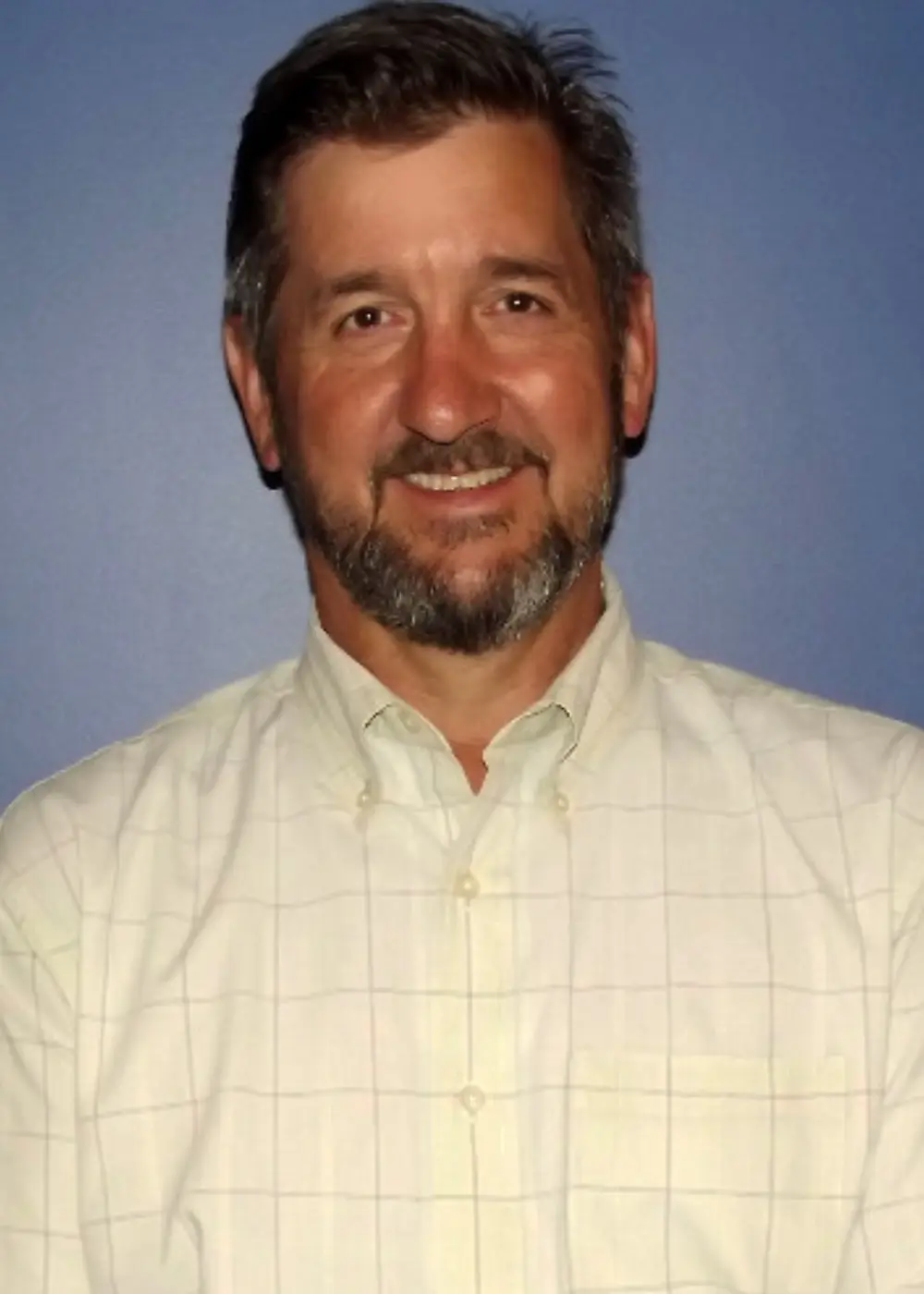
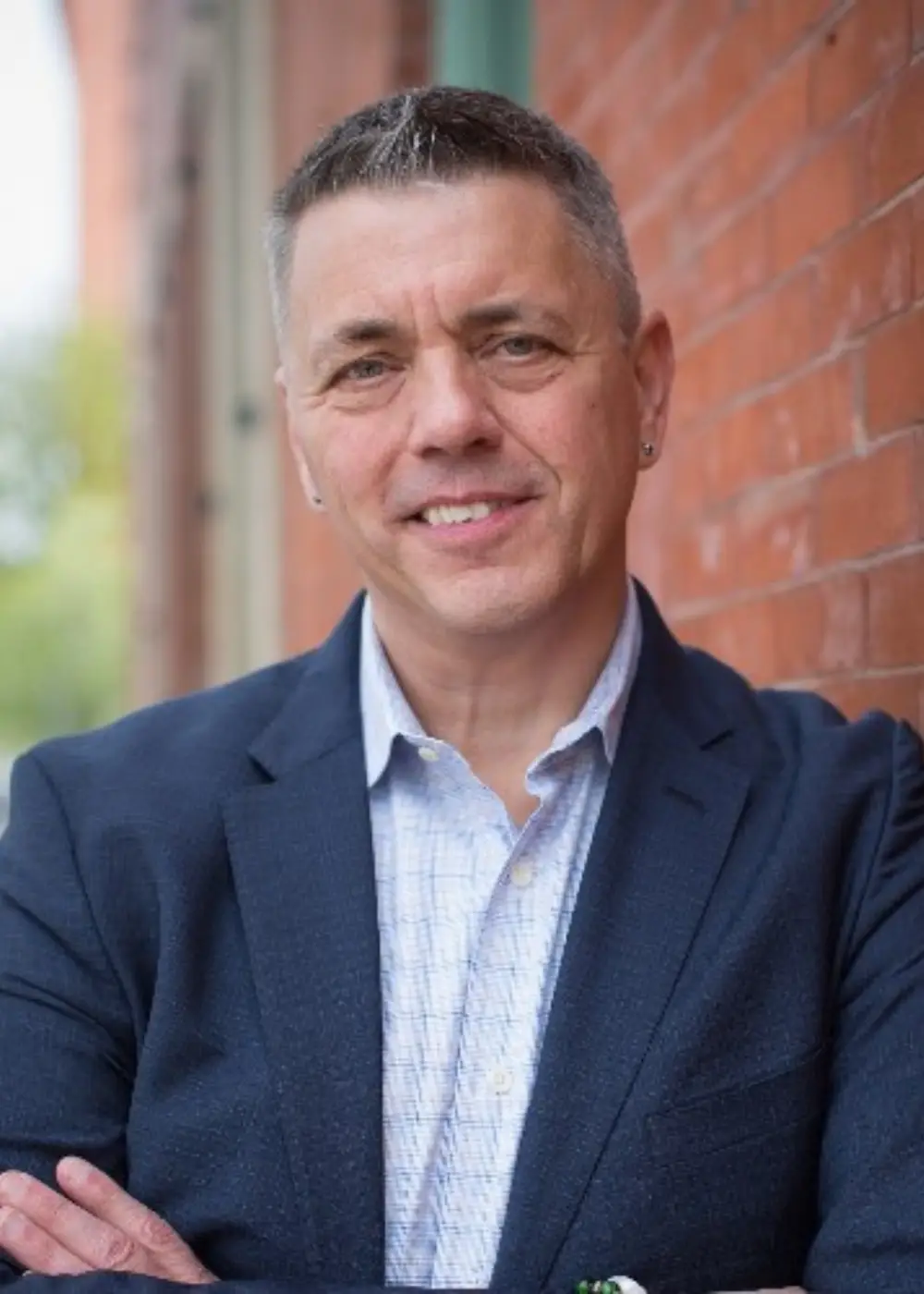
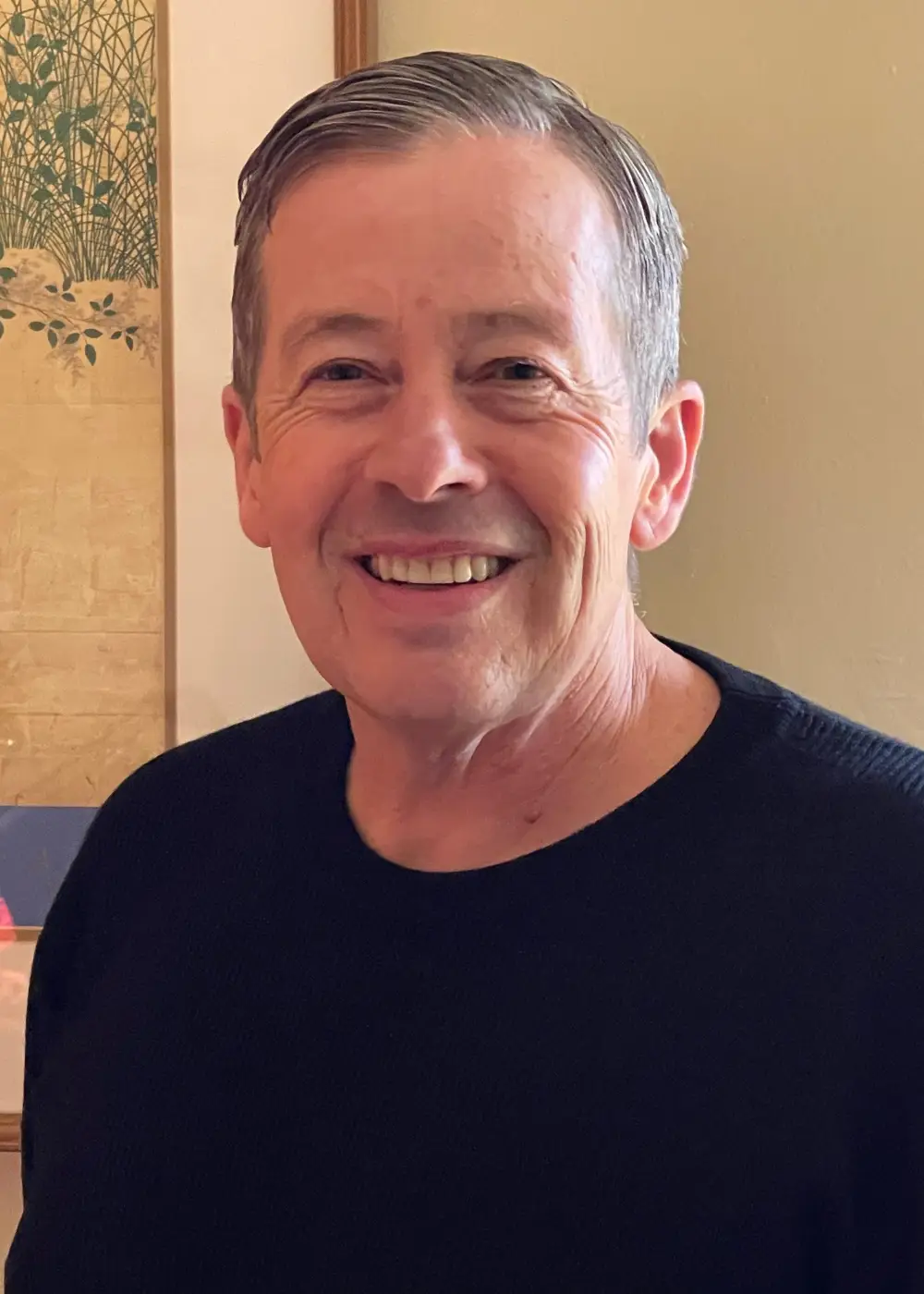
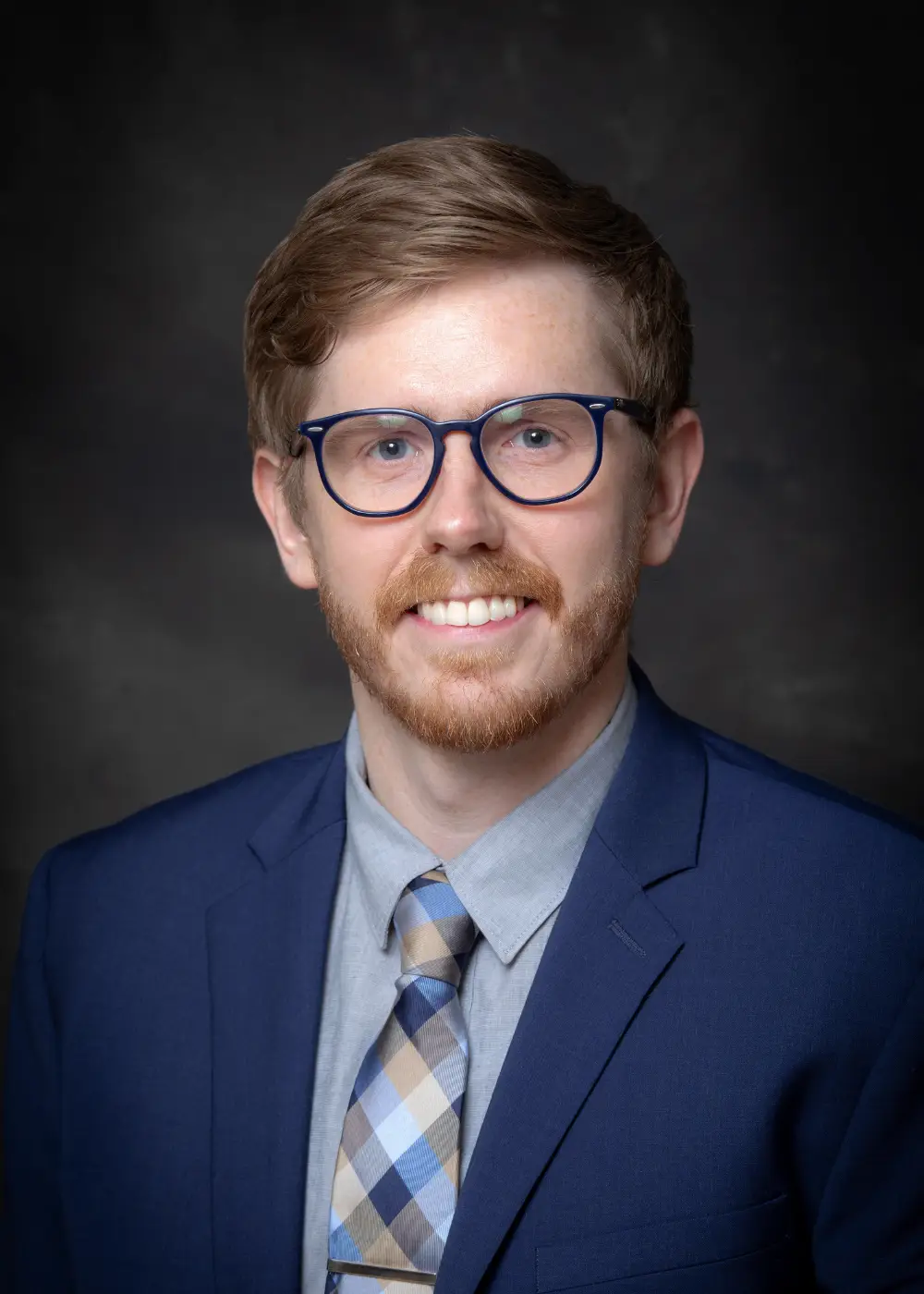
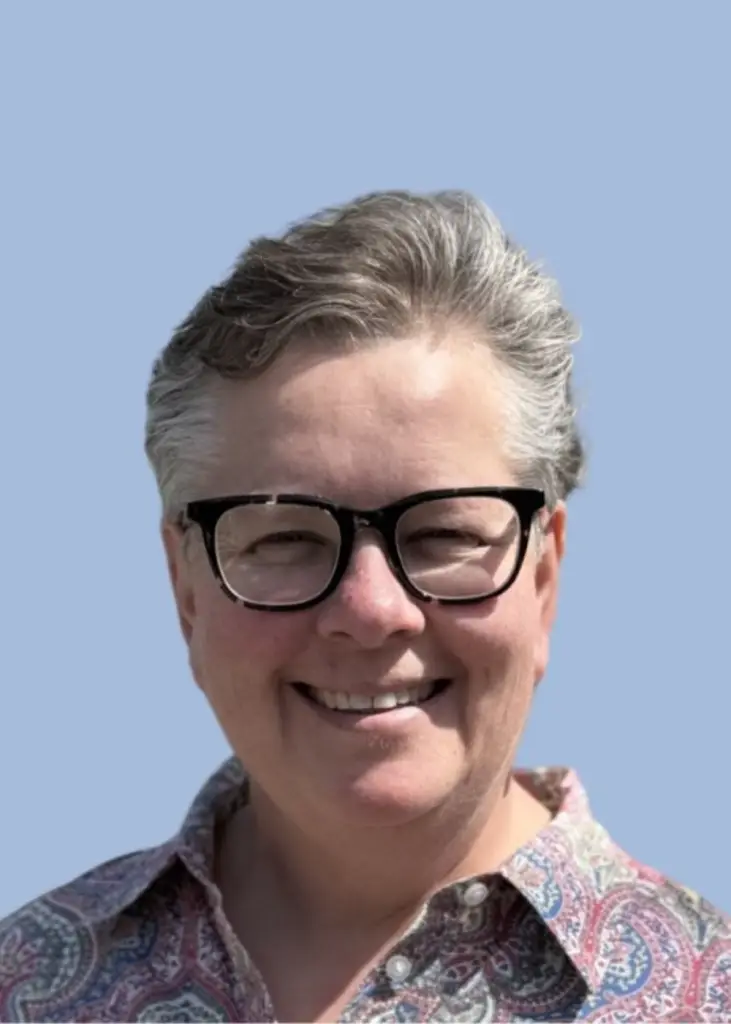
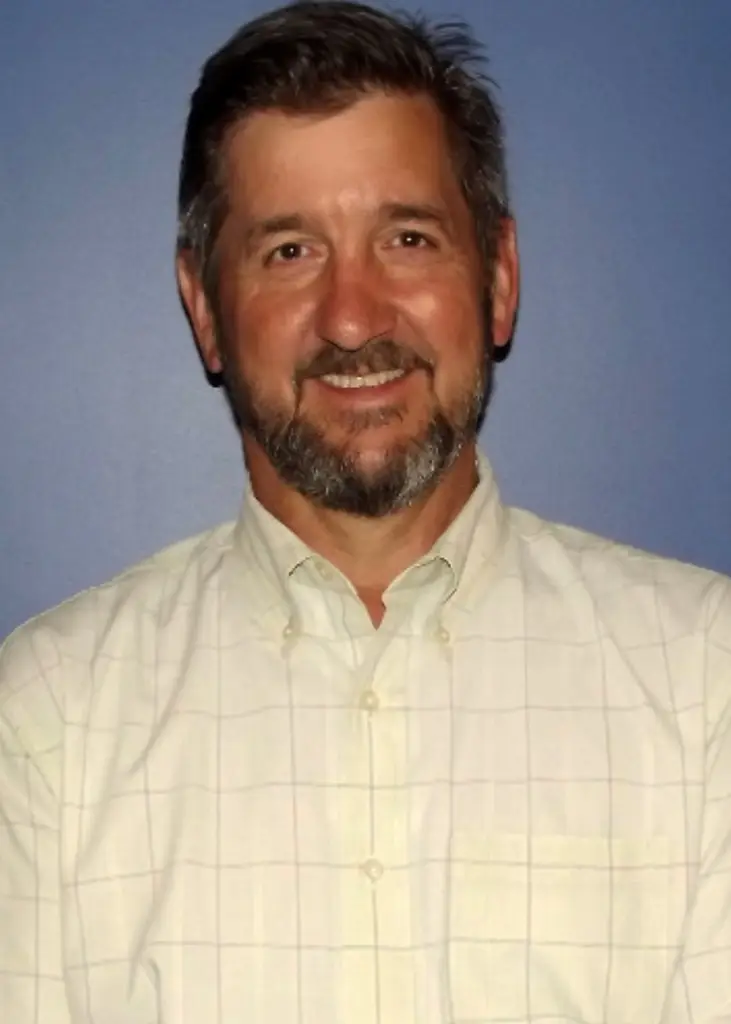
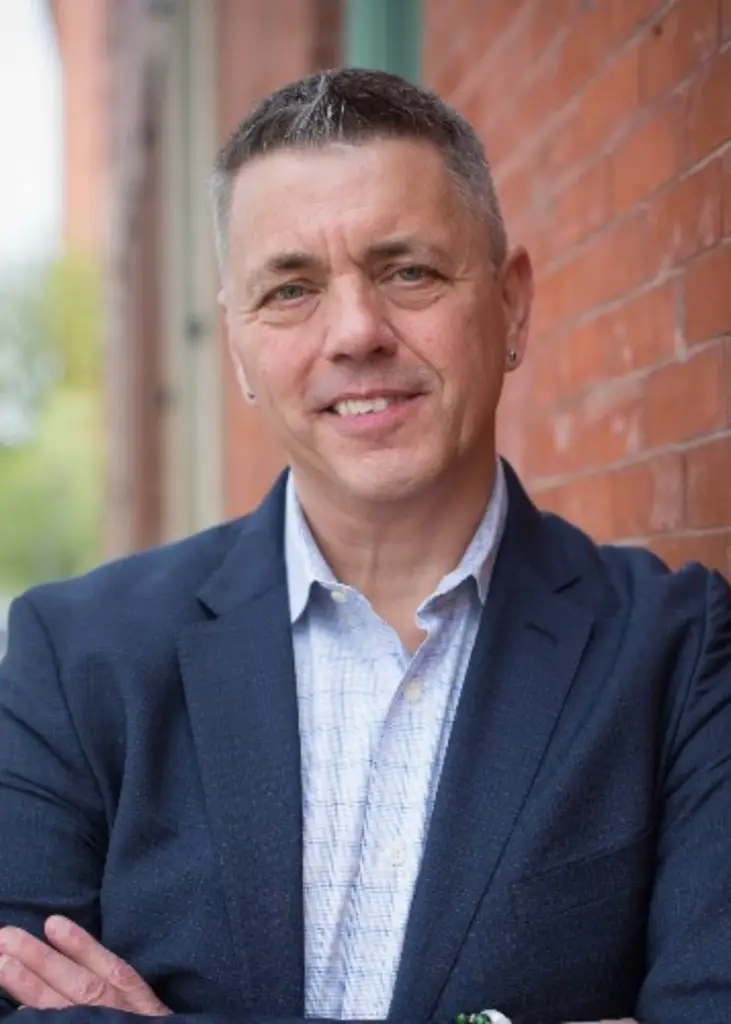
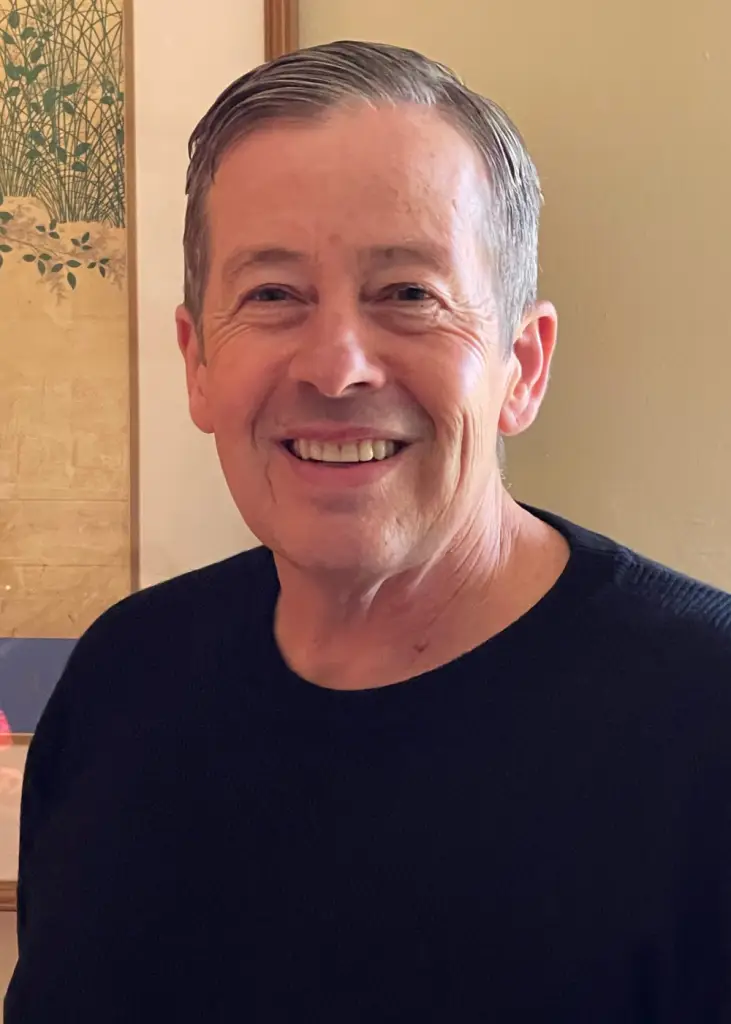
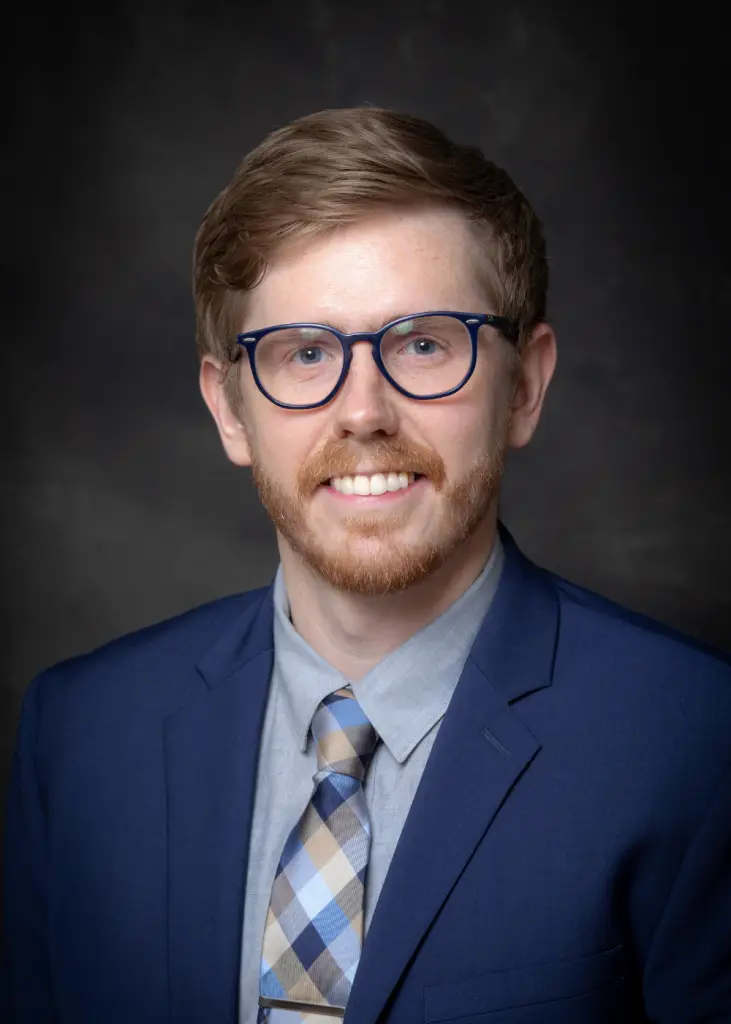
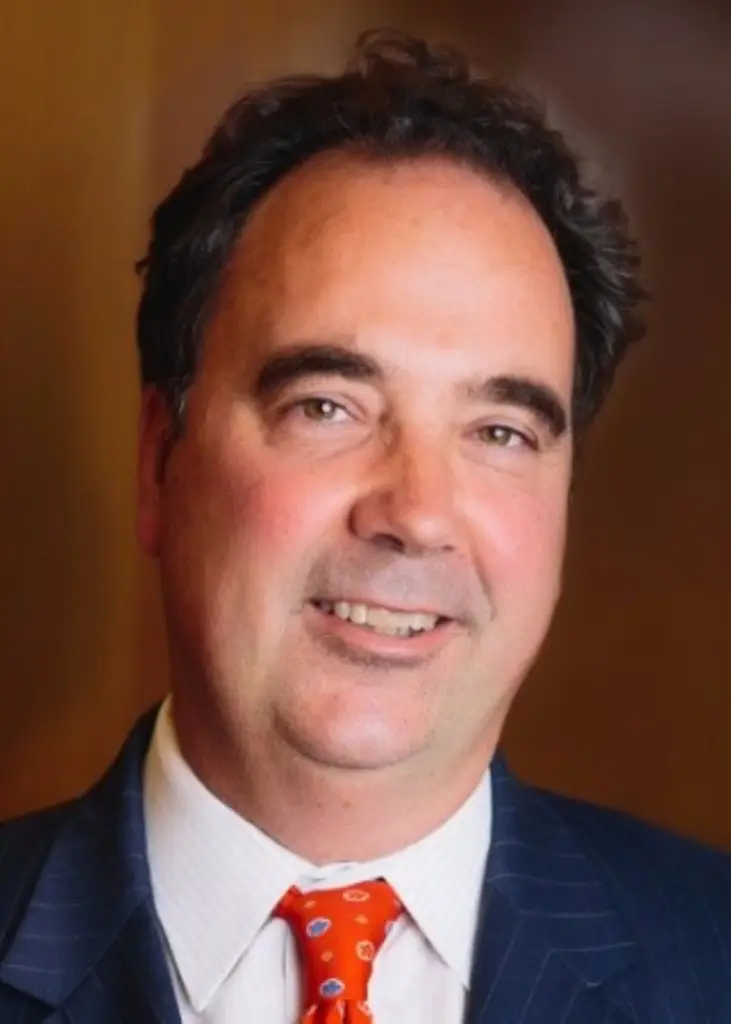
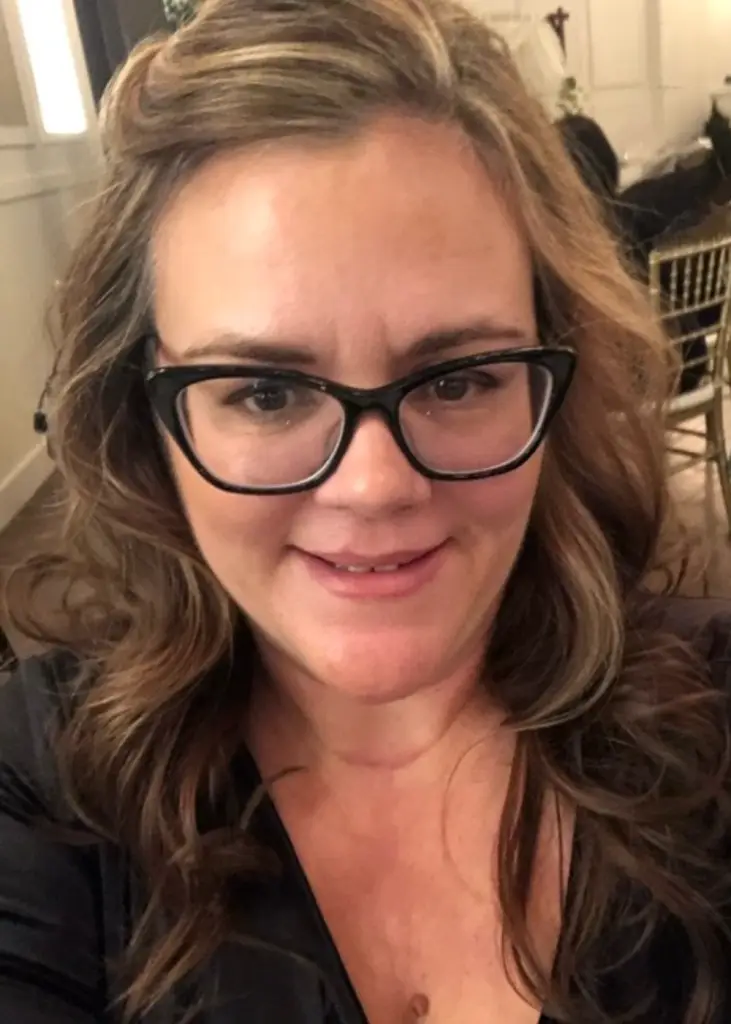
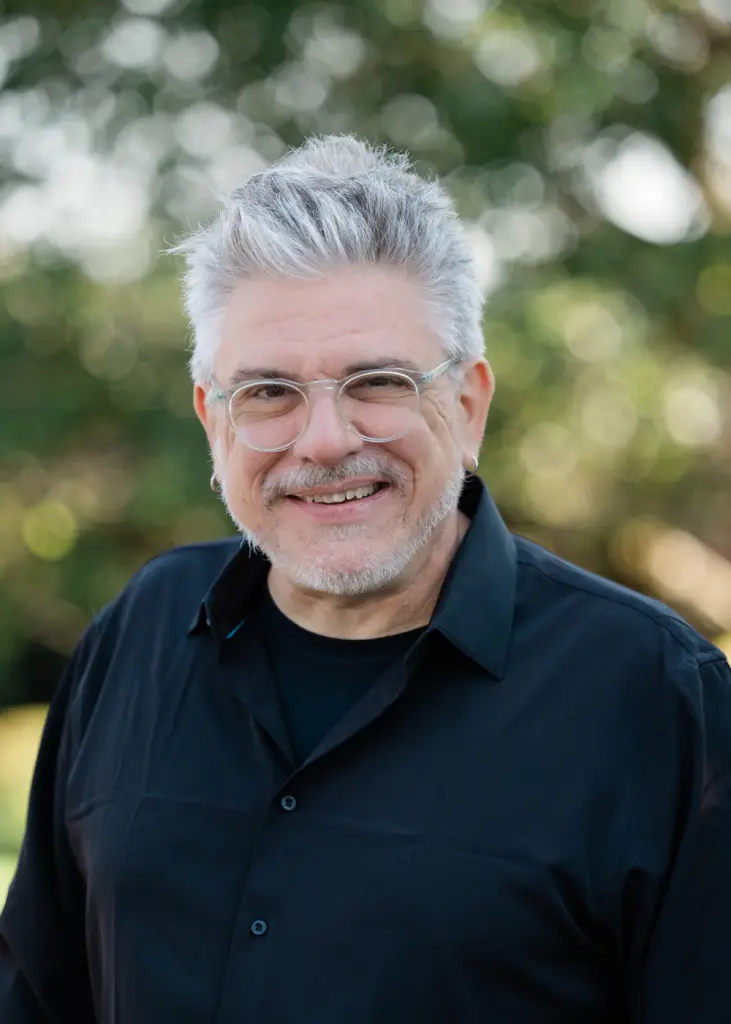
YOUR AMAZING SPEAKERS

HOTEL DISCOUNT
Use this link to get 15% off your stay at the Crowne Plaza.