Loading Events
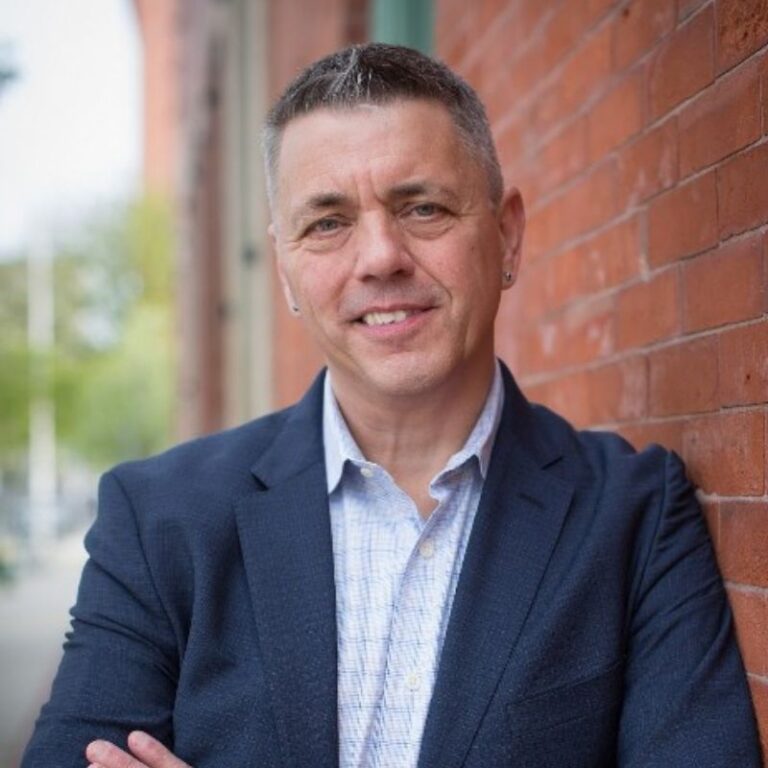
A horizontal conference promo graphic with a navy blue photo banner across the top showing a crowd with hands raised, overlaid with white and green text reading Navigating Whats Next in Human Services. To the right, event details list December 2 & 3, Warwick, RI, and Up to 10 CEUs available, each next to an icon. In the top right, it reads Visionary Sponsor: DIRIGO, with the Dirigo logo and the Rhode Island Department of Labor and Training logo below it. Below the banner on a white background, six speaker headshots appear in green-outlined circles, each labeled with a name and organization logo: Jamie Markey with Helen Sanderson Associates, Tricia Driscoll with Center for Mediation Rhode Island, Mary Kay Rizzolo with CQL The Council on Quality and Leadership, Tim Hebert with Dirigo, John Raffaele with NADSP, and Julie Masson with Nonprofit Comms Club Think Like a CCO.
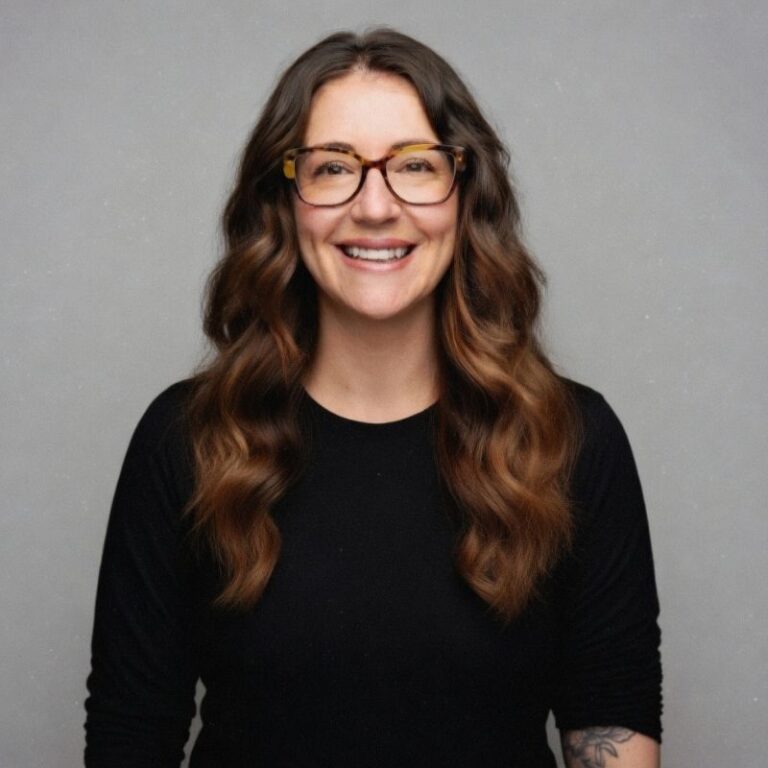
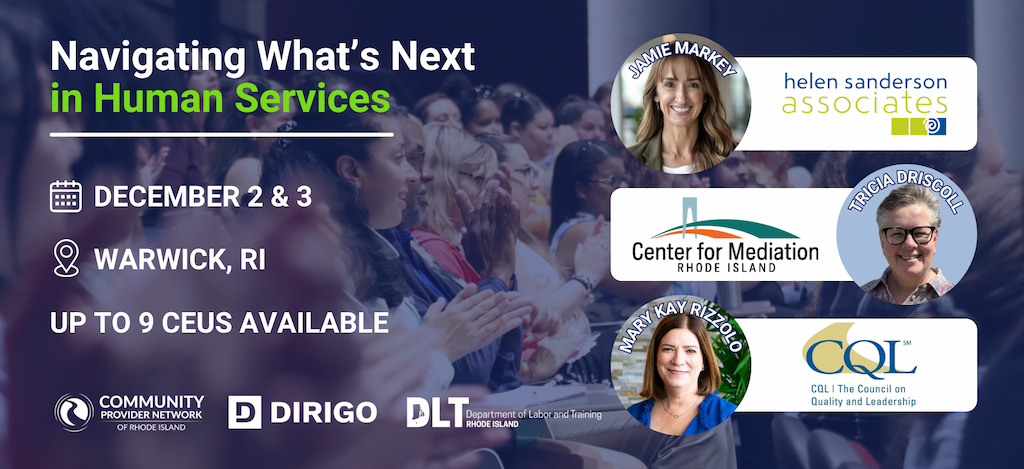
A conference promo graphic with a dark, purple-tinted photo of a clapping crowd filling the full background. On the left, white and green text reads Navigating Whats Next in Human Services, followed by event details: December 2 & 3, Warwick, RI, and Up to 10 CEUs available, each beside a small icon. Below that, the Dirigo logo appears labeled Visionary Sponsor, next to the Rhode Island Department of Labor and Training logo. On the right side, three speaker headshots appear in circles with names arced above them, each paired with an organization logo card: Jamie Markey next to Helen Sanderson Associates, Tricia Driscoll next to Center for Mediation Rhode Island, and Mary Kay Rizzolo next to CQL The Council on Quality and Leadership.

Tickets

The numbers below include tickets for this event already in your cart. Clicking "Get Tickets" will allow you to edit any existing attendee information as well as change ticket quantities.
On Sale
CPNRI Members Only (Both Days)
Early bird pricing ends on October 16.
$185.00 $155.00
Unlimited
On Sale
General Admission (Both Days)
Early bird pricing ends on October 16.
$250.00 $190.00
Unlimited
On Sale
Single-Day Ticket (Day 1 - Wednesday)
Early bird pricing ends on October 16.
$150.00 $125.00
Unlimited
On Sale
Single-Day Ticket (Day 2 - Thursday)
Early bird pricing ends on October 16.
$150.00 $125.00
Unlimited

CONFERENCE SCHEDULE

8AM
– 9 AM
Registration & Coffee
Pick up your badge, grab coffee and light refreshments, and connect with fellow attendees before the day kicks off.
9AM
– 10 AM
Keynote Address
Mary Kay Rizzolo Courtney Kelly Chapman
Organizational Culture: The Key to Quality
Mary Kay Rizzolo · CQL & Courtney Kelly Chapman · CQL
Keynote
CEUs
10AM
– 10:15 AM
Break & Transition
15-minute break before breakout sessions begin.
10:15AM
– 11:45 AM
Breakout Session A
Choose one of the below sessions at registration.
The New NADSP 2026 Code of Ethics
John Raffaele, NADSP
Frontline Service
Description
This breakout workshop introduces the revised 2026 NADSP Code of Ethics, marking the first comprehensive update since the Code was originally established in 2001. Participants will explore why the revision was necessary, what has changed, and how the updated Code better reflects today’s direct support landscape, including evolving expectations around person-centered practices, professionalism, equity, and accountability. The session will highlight key updates, provide practical examples, and create space for reflection and discussion. Attendees will leave with a clearer understanding of how the 2026 NADSP Code of Ethics strengthens ethical decision-making and supports DSPs in delivering high-quality, values-driven support in modern direct support environments.
More Than Words: How Core Values Solve Workplace Challenges
“not your average facilitators”, half full
Leadership
Description
Today’s workplace is evolving faster than ever. From constant change and uncertainty to the acceleration of technology, from hybrid workplaces to five generations working side-by-side, core values provide a powerful guide for navigating everyday challenges. In this interactive workshop, half full, llc brings core values to life through a dynamic, real-time simulation where you will apply values to realistic workplace scenarios. Discover how values strengthen decision-making, build trust, improve performance, and create workplaces where people feel connected, valued, and inspired to do their best work—driving better organization outcomes. The bottom line? Workplace challenges aren’t going away—but when people are guided by shared values, they become opportunities to build trust, strengthen teams, and achieve better results.
Building Solid Systems in Rhode Island
Courtney Kelly Chapman & Mary Kay Rizzolo, The Council on Quality & Leadership
HR
CEUs
Description
If a provider organization is looking to be responsive, strategic, and effective in its supports and services, it needs a solid foundation built around systems and practices. Practices are observable – the actions an agency is actually taking in their supports and services … but what about systems? In this breakout, Building Solid Systems In Rhode Island, we’re offering guidance that agencies can use to establish robust systems that lay the groundwork for organizational transformation. Attendees will first find out what we mean by a ‘system.’ Then, we’ll share specific examples of systems and describe their connection to an organization’s operations, programs, and services. From promoting respect, to facilitating natural supports, addressing instances of abuse, implementing staff development programs, and more, we’re detailing how solid systems will improve the quality of your organization, and ultimately, the quality of people’s lives.
Thriving Across the Spectrum: Building a Durable Ecosystem by Leveraging Strengths
Anthony Rodriguez & Ralph Tavares, Upstream DEI
Culture
Description
How do we promote thriving at work? How can the community see us all for our strengths and leverage each of our many talents to support the disability community? This workshop will discuss a strength-based matrix for collaboration, mentoring, conflict resolution, and building bridges in a fractured landscape so that all of us can thrive at work. Our team will share themes of Autonomy, Mastery, and Purpose (AMP) and Deep Work, encouraging us all to seek understanding and growth across the professional spectrum in creating durable change.
The Maximizer Mindset: Climb Higher by Lifting Others
Tim Hebert, Dirigo
Leadership
Description
Leaders are often celebrated for their drive, resilience, and ability to get things done. But behind that praise is a quieter reality: many leaders are doing too much, carrying too much, and ultimately limiting the very growth they’re trying to create. In this interactive workshop, The Maximizer Mindset: Climb Higher by Lifting Others, Tim Hebert invites participants to rethink what leadership actually requires. Because the next level of leadership is not about doing more—it’s about empowering more. Through powerful storytelling, real-world application, and guided reflection, Tim introduces a practical leadership shift grounded in one core idea: you don’t rise by climbing alone—you rise by lifting others. Participants will explore the hidden costs of “doing it all,” including burnout, bottlenecks, and untapped potential, and will learn how to replace control with trust, and effort with intentional investment in others. Drawing from unforgettable moments—from a near-breaking point on Mount Kilimanjaro to a lesson in trust with a horse at a leadership retreat—this session brings the Maximizer Mindset to life in a way that is both deeply human and immediately actionable. Through interactive exercises, small group discussion, and real-time application, participants will learn how to: Shift from being the primary doer to a developer of others Identify and unlock untapped potential on their team Let go of control without losing accountability Build trust as a leadership practice, not a personality trait Create momentum by investing in others’ growth and success This is not a workshop about delegation techniques alone. It is a leadership practice—designed to help you expand your impact by expanding others. Because in the end, the leaders who go the furthest are not the ones who do the most—they are the ones who bring the most people with them.
Person-Centered Practices in Action: Daily Implementation for DSPs
Jamie Markey & Mary Beth Lepkowsky, Helen Sanderson Associates
Frontline Service
CEUs
Description
Direct Support Professionals (DSPs) are the backbone of human services, often serving as advocates, mentors, and trusted partners to people with disabilities. They play a critical role in supporting people to live lives of their choosing. Yet, with increasing demands, workforce shortages, and limited access to ongoing development, many DSPs receive training that prioritizes compliance and medical needs over person-centered support. This interactive 90-minute session is designed to shift that experience. Participants will be introduced to a range of person-centered practices and, most importantly, how to apply them in real, everyday situations. Moving beyond just a theory or “nice to have”, this session focuses on practical, easy-to-use skills that DSPs can implement immediately to strengthen relationships, support the decision-making process and connect to their communities. Through hands-on activities and real-world application, participants will practice shifting from a “caretaker” mindset to a more intentional role as a supporter, partner, and community connector. Same issue as before, plus one extra wrinkle: the source had words hyphenated at line breaks (like “easy-to-use” split across two lines), so I made sure those rejoined into single words rather than staying broken.
What is the Cost of Poor Documentation? Everything.
Heather Janci, Kibu
HR
Description
Every missing timestamp. Every incomplete note. Every field left blank at the end of a long shift. These crumbs feed auditors, preventing you from doing the work you love. Poor documentation creates more than just compliance risk. It erases your team’s work, undermines the care your clients received, and hands auditors exactly what they need to take money from the mission you’ve spent years building. This session is for Rhode Island providers who are done losing ground they’ve already earned. We’ll explore the federal research, identify the gaps, determine the actual cost to you, and outline the steps needed to stop it permanently.
11:45AM
– 12:15 PM
Lunch
A great opportunity to connect with speakers, sponsors and colleagues from across the sector.
12:45PM
– 2:15 PM
Breakout Session B
Choose one of the below sessions at registration.
Frontline Supervisors for Direct Support Professionals: From Management to Leadership
John Raffaele, NADSP
Leadership
Description
[Session description]
The Science of Independence & Autonomy
Cody Morris, Salve Regina
Frontline Service
CEUs
Description
Providers who serve folks who have been impaired by developmental disabilities often struggle in balancing habilitation and autonomy. One of the reasons that balancing habilitation and autonomy can be complicated is that providers fear that providing too much independence and autonomy could lead to negative outcomes for the folks they serve. However, providers overly focused on protecting their clients from the potential harm of independence and autonomy run the risk of inadvertently creating equally concerning negative outcomes. This talk will focus on the benefits of supporting independence and autonomy while maintaining a balance of safety and habilitation. Recent research on choice and autonomy will be reviewed to highlight the importance and impact of supporting independence and autonomy in practice.
Defensive Driving: Distracted Driving-Employees Using Personal Vehicles During Business
Stephen Farrelly, USI
HR
Description
Description TBA.
From Burnout to Balance for a Healthier Workforce
PJ Harder & Amy Page, Perspectives Corporation
Culture
Description
Burnout in the I/DD workforce continues to rise despite increased attention to well-being initiatives. Why? Because burnout is not just an individual issue—it is deeply influenced by workplace conditions, leadership practices, and whether staff feel supported, valued, and safe to speak up. This engaging session introduces a new framework: Balance, Belonging & Well-Being for addressing workplace conditions that drive stress and disengagement.
Leveraging Your Data
University of Minnesota (DSW Solutions Team, Institute on Community Integration)
AI & Innovation
Description
This session explores how executive leaders, HR leaders, and supervisors can move beyond gut instinct and turn the information already available to them into clearer thinking and better decisions. Attendees will explore what it looks like to build a more data-informed mindset, at the strategic level and in daily people management, and leave with a renewed perspective on data as a tool for leadership rather than just a reporting requirement.
HR at Capacity: Reclaiming Energy, Impact & Influence
Pam Thornton, Employers Association of the NorthEast
Culture
Description
This high-energy session spotlights the often-overlooked burnout facing HR professionals. Beyond managing policies and compliance, HR leaders carry the emotional weight of workforce shortages, retention struggles, regulatory pressure, and executive expectations, frequently while operating at full capacity themselves. The session examines how cumulative burnout quietly influences culture, decision-making, and employee experience across organizations. Moving beyond surface-level wellness advice, participants will explore practical, system-level strategies to strengthen engagement and organizational effectiveness without automatically increasing payroll. Through structured peer dialogue and guided reflection, attendees will leave with actionable approaches they can implement immediately.
What’s Energy Got to Do With It? Supporting Regulation in Authentic and Validating Ways
Amy Laurent, Autism Level Up
Frontline Service
Description
This workshop will introduce regulation supports developed by Autism Level UP! Participants will have opportunities to apply the tools and strategies presented with opportunities to consider the tools for autistic people they teach or with whom they work, live and/or play. Modifications for the supports will be discussed for individuals at a variety of developmental levels (e.g., students who are not yet communicating using words, those who are emerging language learners, and those who are conversational). A neurodiversity affirming approach to goal writing will be introduced.
2:15PM
– 2:30 PM
Break & Transition
15-minute break before the final session block.
2:30PM
– 4 PM
Breakout Session C
Choose one of the below sessions at registration.
Creating a Culture of Competence & Why a Standard Occupational Classification is Vital for Direct Support
John Raffaele, NADSP
Leadership
Description
In this engaging and interactive training session, join the NADSP staff to learn the latest best practices in direct support that go well beyond the regulations and state-level requirements for this profession. Most training and development for direct support professionals (DSPs) focuses on regulatory and mandated topics. By embracing the NADSP Code of Ethics and focusing on nationally-validated NADSP Competency Areas, direct support professionals and organizations can ensure that they are supporting personal autonomy, access to integrated settings, informed choices and person centered practices. NADSP has been advocating for a Standardized Occupational Classification for years and we are very close to the final steps to this. The United States Bureau of Labor Statistics has specific requirements and categories for occupations and professions in the Unites States. Direct support is NOT considered in this registry. Once we are deemed and have a labor department code, we can begin the process of data collection, rate reviews and ultimately be situated to call the profession of direct support truly a competitive occupation and profession once and for all.
ASL Best Practices
Ariela Stein & Rosa Norberg, Perspectives
Frontline Service
Description
This session will be structured as an interactive dialogue, beginning with a brief overview of the Americans with Disabilities Act (ADA) and key considerations for ensuring effective communication and accessibility when working with members of the Deaf community. The session is designed to engage participants in identifying their current knowledge, areas for growth, and practical applications of best practices when requesting and working with American Sign Language (ASL) interpreters. Emphasis will be placed on fostering informed decision-making and enhancing service delivery within human services settings. Key topics will include determining the most appropriate interpreter for a given interaction, identifying when multiple interpreters are necessary, and understanding the rationale behind these decisions. The session will also address the range of interpreter referral resources available within and beyond Rhode Island, including both on-site and virtual services. Additionally, participants will gain clarity on the distinctions between Video Relay Service (VRS) and Video Remote Interpreting (VRI), including appropriate use cases for each within human services environments. Practical guidance and real-world considerations will be shared.
Liability Exposure in Non-Profits
Stephen Farrelly, USI
HR
Description
Description TBA.
Building Psychological Safety through Person-Centered Leadership
Jamie Markey & Mary Beth Lepkowsky, Helen Sanderson Associates
Culture
CEUs
Description
Person-centered leadership is not about a role or title, it’s about how we show up with and for others. At the same time, psychological safety is the foundation of strong, resilient teams, yet it is often misunderstood or reduced to a buzzword rather than practiced in meaningful ways. In today’s workforce landscape, this matters more than ever—organizations that foster psychological safety are better positioned to recruit, retain, and engage their workforce, while those that don’t often struggle with turnover, burnout, and disengagement. This interactive breakout session brings these two ideas together in a practical, human-centered way. Designed for leaders, human resources, and organizational development professionals, the session begins with a clear and accessible overview of five foundations of psychological safety: Mattering, Clarity, Voice, Connection, and Learning. Participants will explore what each foundation looks like in real, everyday interactions—and why they are essential to both team effectiveness and the human experience at work. From there, the session will take an experiential dive into Mattering—the first foundation that answers the question: Do I feel seen, valued, and like I make a difference here? Through guided reflection, real-world scenarios, and small-group practice, participants will examine how mattering is communicated (or unintentionally undermined) in day-to-day moments. They will practice simple, powerful ways to strengthen a sense of value, recognition, and belonging across roles and relationships. Participants will leave with practical tools they can immediately use to create environments where people feel safe to contribute, speak up, learn, and build meaningful connections—even within complex and demanding systems.
Rethinking AI: A Leadership Practice in the Age of Acceleration
Tim Hebert, Dirigo
AI & Innovation
Description
Artificial intelligence is accelerating how work gets done—faster decisions, faster outputs, faster change. But while organizations are gaining speed, many leaders are discovering something unexpected: Acceleration is not the same as clarity. In this interactive workshop, Rethinking AI: A Leadership Practice for the Age of Acceleration, Tim Hebert moves beyond tools, trends, and tactics to focus on what AI is really changing—the way leaders think, decide, and create direction. Because while AI can generate ideas, analyze data, and expand capacity, it cannot determine what matters, what should be done, or what it means for people. As a result, the constraint in leadership is shifting—from access to information to the ability to apply judgment, set priorities, and communicate with clarity in increasingly compressed environments. Let me know if you’d rather have that line folded back into the paragraph instead — happy to flatten it fully if you want strict “one paragraph, no breaks” consistency with the other two.
Courageous Conversations
Gary Dawson, Employers Association of the NorthEast
Leadership
Description
Most managers have been there — there is an employee conversation that keeps getting postponed. Maybe it is about declining performance, a behavior disrupting the team, or an honest discussion about career readiness. The longer it waits, the costlier it becomes. Courageous Conversations is a high-energy, immediately actionable 60-minute workshop designed to break that cycle. Participants leave with the language, frameworks, and confidence to have the honest conversations that drive real results — not someday, but on Monday morning.
Spellers as Speakers
Amy Laurent, Julia Sposato, Emily Jewel & Susan Baylis Jewel, Autism Level Up
Frontline Service
Description
One third of autistic individuals will not develop the abilities to use spoken language to communicate. These individuals still have much to say. It is imperative that people who care about and for non-speakers explore a wide range of methods of communication support for them, as access to reliable and authentic means of communication is critically linked to higher quality of life. One means of communication support that remains largely misunderstood are motor-based communication methods associated with spelling. These methods most often involve the support of a trusted and responsive communication regulation partner (CRP). For years, questions have existed as to whether the nonspeaking individual or the CRP is the author of the messages conveyed during use of motor based spelling communication. Recent research exploring motor differences/apraxia and visual gaze timing support that the non-speaking individuals are authoring their messages. This session will explore controversy of motor-based spelling to communicate methods, introduce the research supporting the validity of these techniques, as well as discuss the importance of exploring a range of communication supports for non-speakers. This session will incorporate the perspectives of individuals who use motor-based spelling to communicate as adults, after years of having their access to supportive communication restricted.
4PM
– 5 PM
Networking Event
Details TBA.
8AM
– 9 AM
Registration & Coffee
Pick up your badge, grab coffee and light refreshments, and connect with fellow attendees before the day kicks off.
9AM
– 10 AM
Keynote Address
Resilience is a Reflex
University of Rhode Island (Office of Strategic Initiatives)
Keynote
10AM
– 10:15 AM
Break & Transition
15-minute break before breakout sessions begin.
10:15AM
– 11:45 AM
Breakout Session A
Choose one of the below sessions at registration.
Rethinking Community: Creating Connection at Home and Beyond
Kelly Petersen & Christine Allenson, BHDDH
Frontline Service
CEUs
Description
Building on themes introduced in last year’s Community Connections session, this presentation takes a deeper look at promoting meaningful relationships and expanding opportunities for belonging. This session challenges participants to broaden the definition of community and explore how connection can be cultivated not only in community settings, but also within a person’s home—particularly for individuals who face barriers to accessing community spaces. Designed for both returning and new attendees, this session will provide practical tools for evaluating social networks, identifying opportunities to strengthen connections, and shift focus from “activities” to people, relationships, and belonging. Participants will leave with actionable ideas to strengthen community-building in everyday practice.
Un-Empowered by Design: The 4 C’s of Empowerment
Garry Foisy, Dirigo
Leadership
Description
Many organizations believe they are empowering their people—yet hesitation, dependency, and disengagement persist. The reality? These outcomes are rarely accidental. They are the result of how the workplace has been intentionally—or unintentionally—designed. This thought-provoking and practical session challenges leaders to shift their perspective from blaming people to examining design. Participants will explore how everyday leadership behaviors, systems, and cultural norms either enable or restrict empowerment. Through engaging storytelling, real-world examples, and guided reflection, this workshop introduces the 4 Cs of Empowerment—Clarity, Choice, Confidence, and Connection—as four critical levers leaders can use to intentionally redesign their environments. Attendees will walk away with a deeper understanding of how empowerment truly works in practice—and how to create conditions where people feel safe, capable, and motivated to take ownership and act with confidence.
Employee Performance & Documentation
William O’Gara, Pannone, Lopes, Devereaux & O’Gara LLC
HR
Description
Bad documentation doesn’t just create legal risk — it destroys it right when you need it most. This session walks through the full employee lifecycle, from first warning to final goodbye, with a clear-eyed look at what good documentation actually looks like and where most organizations get it wrong.
The Inclusion Shift
“not your average facilitators”, half full
Culture
Description
What if creating a more inclusive workplace wasn’t about having all the right answers—but about being curious enough to ask better questions? In this engaging, highly interactive workshop, you will discover how shifting the way you see others can transform the way you work together. Together, we will challenge assumptions, uncover the strengths that different experiences bring to the table, and explore how everyday interactions shape workplace culture. Along the way, the half full, llc team will share powerful stories from their own lived experiences, creating authentic moments that spark conversation, deepen understanding, and inspire new ways of thinking. You will leave with practical strategies to build trust, foster belonging, strengthen collaboration, and create a workplace where every person feels valued, heard, and empowered to make a difference.
Why Communications Can Make or Break an Organization
Julie Masson, CCO for Nonprofits
Communications
Description
Communications shouldn’t be a support function. At it’s best, it’s a strategic one. This session breaks down what separates reactive, deliverables-only comms from comms that earns a seat at the table. It will help executive directors and communicators decide what leaders can do to make that shift.
Friday Night at the ER
University of Rhode Island (Office of Strategic Initiatives)
Leadership
Description
Friday Night at the ER® is an immersive simulation where teams manage a busy hospital through a 24-hour period, experiencing firsthand how silos, competing priorities, and resource constraints undermine organizational performance. In just one intense hour, participants viscerally understand systems thinking and cross-functional collaboration through the consequences of their own decisions. The hospital metaphor applies universally to any industry where interdependence and complexity matter.
AI Best Practices for Health and Human Service Organizations
Vertikal 6
AI & Innovation
Description
Artificial intelligence is reshaping how organizations operate, and the health and human services sector is no exception. This session takes a practical look at how AI can move beyond everyday tasks to support the bigger work: improving efficiency and strengthening the services we provide to the people we support. Attendees will leave with a broader understanding of AI’s potential in the field, and a realistic sense of how to begin, or deepen, its use within their own organizations.
11:45AM
– 12:15 PM
Buffet Lunch
A great opportunity to connect with speakers, sponsors and colleagues from across the sector.
12:15PM
– 1 PM
Lunch Keynote
Tim Hebert
The Weight and The Work
Tim Hebert · Dirigo
Keynote
1PM
– 1:15 PM
Break & Transition
15-minute break before the final session block.
1:15PM
– 2:45 PM
Breakout Session B
Choose one of the below sessions at registration.
Autism in Early Childhood: A Deep Dive
Ariana DeAngelis, The Autism Project
Frontline Service
CEUs
Description
Autism in Early Childhood: A Deep Dive is designed to provide participants with up-to-date information on the neurodevelopmental characteristics of autism. This workshop is appropriate for those who are new to autism, as well as for those with decades of experience. Topics are broken down into the following categories: diagnostic criteria, coexisting medical conditions, social communication, sensory processing, and cognition. Participants will leave this workshop with a deeper understanding of the unique influence of neurodevelopment on each autistic individual. “Autism in Early Childhood: A Deep Dive” celebrates autistic people while discussing the unique characteristics that require a supportive and empathetic environment.
Overcoming Blind Spots
Tim Nolan, Human Services Leadership Institute
Leadership
Description
Everyone has blind spots, both personally and professionally. Highly effective people leaders know this and actively work to minimize their blind spots. This interactive session will challenge participants to identify their blind spots and implement an approach to minimize them.
Sexual Harassment and Hostile Work Environment
William O’Gara, Pannone, Lopes, Devereaux & O’Gara LLC
HR
Description
This session covers how to recognize sexual harassment, general harassment, and hostile work environment behaviors before they escalate — and why acting quickly when they appear is critical for both people and the organization.
Creating a Positive Workplace Culture
Tricia Driscoll, Center for Medication and Collaboration of Rhode Island
Culture
Description
Our work is hard- when we have a positive workplace culture it is easier. This session will help to identify those important considerations that go into creating a culture where people feel supported, appreciated and can get work done!
How to Build a Communications Strategy
Julie Masson, CCO for Nonprofits
Communications
Description
Most nonprofit comms shops run on instinct. It looks like reacting to requests, filling calendars, putting out fires. This session is about flipping that: building a strategy that connects every email, post and campaign back to real organizational goals. We’ll cover how to set priorities when you’re a small (or one-person) team, how to align comms work with leadership’s bigger picture and how to know what to say no to. You’ll leave with a practical framework for turning day-to-day output into a strategy that actually moves the needle.
Mental Health First Aid
University of Rhode Island (Office of Strategic Initiatives)
Culture
Description
Build a workplace culture that truly values mental health by reducing stigma and increasing awareness of available support resources. Equip employees with practical tools to recognize and respond to mental health challenges, strengthening their confidence in offering early, supportive interventions to colleagues in need. These efforts foster greater empathy, understanding, and resilience across teams, ultimately creating a more connected and supportive work environment.
Conflict-Free Case Management: The Journey, the Role and What’s Next
Kelly Petersen & Christine Allenson, BHDDH
Culture
Description
This session will explore the evolution of Conflict-Free Case Management (CFCM) from the policy and practice drivers that shaped its implementation to current practices and future directions. BHDDH will share the journey of CFCM, highlighting key transitions, lessons learned, and the role CFCM plays in strengthening person-centered planning and service coordination. Attendees will leave with practical insight into the differences among service coordination roles, a clearer understanding of why these changes were enacted, and greater clarity about how CFCM supports participants and the broader service system.
2:45PM
– 3 PM
Break & Transition
15-minute break before the final session block.
3PM
– 4:30 PM
Breakout Session C
Choose one of the below sessions at registration.
Cultural Competency in Autism Services
Ariana DeAngelis, The Autism Project
Frontline Service
CEUs
Description
Autism services often bring together professionals and families from diverse cultural, linguistic, and social backgrounds. Cultural beliefs, values, and lived experiences shape how families understand autism, seek support, and engage with providers. This training explores how culture influences perspectives on disability, communication styles, and family decision-making. Participants will gain insight into the experiences of immigrant and culturally diverse families navigating complex systems such as healthcare, education, and community services. The session also examines how organizational culture can impact accessibility, trust, and engagement for families from different backgrounds. Through real-world examples, reflection, and practical strategies, participants will learn how to provide culturally responsive and respectful support that strengthens partnerships with families and improves service outcomes.
Exceptional Onboarding Experience
Tim Nolan, Human Services Leadership Institute
Leadership
Description
This session will review what a highly collaborative onboarding experience looks like and how everyone on the team should be intentionally and actively involved to ensure their new teammate(s) thrives.
Interviewing Process
William O’Gara, Pannone, Lopes, Devereaux & O’Gara LLC
HR
Description
This session covers three practical areas for hiring managers: how to ask good, legally sound interview questions; the pros and cons of requesting and providing references; and best practices to keep your hiring process fair and compliant.
Trauma-Informed Conflict Resolution
Tricia Driscoll, Center for Medication and Collaboration of Rhode Island
Culture
Description
Conflict resolution is hard for everyone- and it is harder when there are layers of trauma. In this session, participants will be introduced to conflict resolution strategies that are based on trauma-informed practices.
Ask a Comms Team Panel: Leadership, Strategy & Execution
Julie Masson (CCO for Nonprofits), Nick Friend (CPNRI Communications Director) and Gianna Cambria (The Autism Project Marketing and Communications Officer)
Communications
Description
Comms work looks different depending on where you sit — setting strategy, running the day-to-day, or somewhere in between. This panel brings together three perspectives to explore how strategy and execution actually meet in practice: a senior communications leader focused on big-picture direction, a hands-on community communicator in the trenches daily, and a voice bridging both worlds. Bring your questions. We’ll talk about what strategy looks like at different org sizes, how leadership priorities trickle down to daily execution and the tension (and teamwork) between the two.
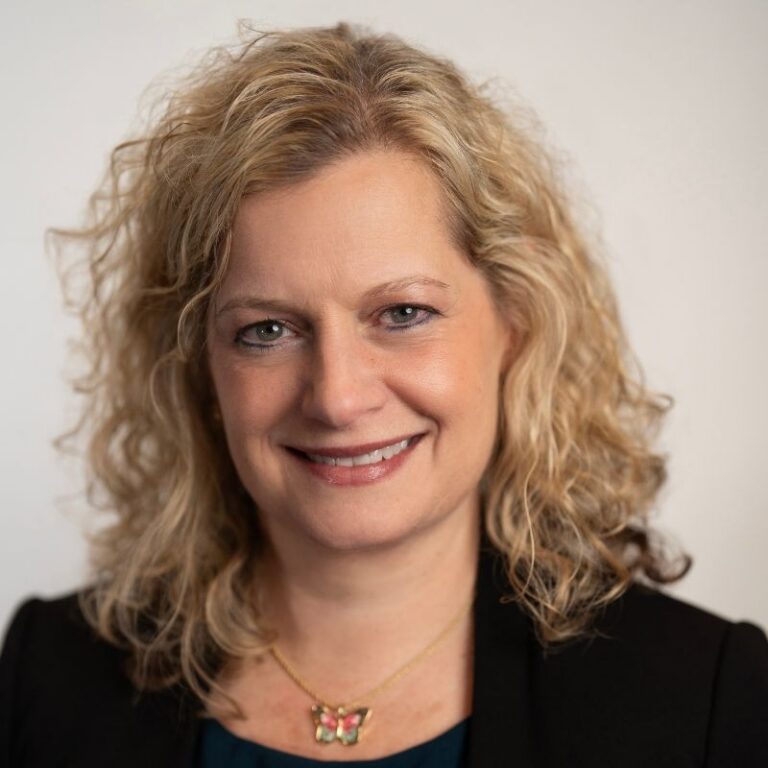
The Multigenerational Workforce
University of Rhode Island (Office of Strategic Initiatives)
Leadership
Description
The Multigenerational Workforce program equips managers, HR professionals, and organizational leaders with the frameworks and strategies to bridge generational gaps, challenge stereotypes, and create cultures where employees of all ages thrive. With particular expertise in Gen Z (we know them—they’re our students!), URI OSI helps organizations harness the digital fluency, fresh perspectives, and collaborative spirit of the newest workforce generation while honoring the wisdom and institutional knowledge of experienced professionals.
Mobile Response and Stabilization Services
Peter Barbagall, Family Services & Tides
Culture
Description
This session offers a practical look at how Mobile Response and Stabilization Services work as an in-community alternative to emergency department visits and hospitalization for youth in crisis. Attendees will learn how the model operates, how referrals work, and how to coordinate across schools, child welfare, and behavioral health systems to get families connected quickly. The session will include real-world examples and time for audience Q&A.
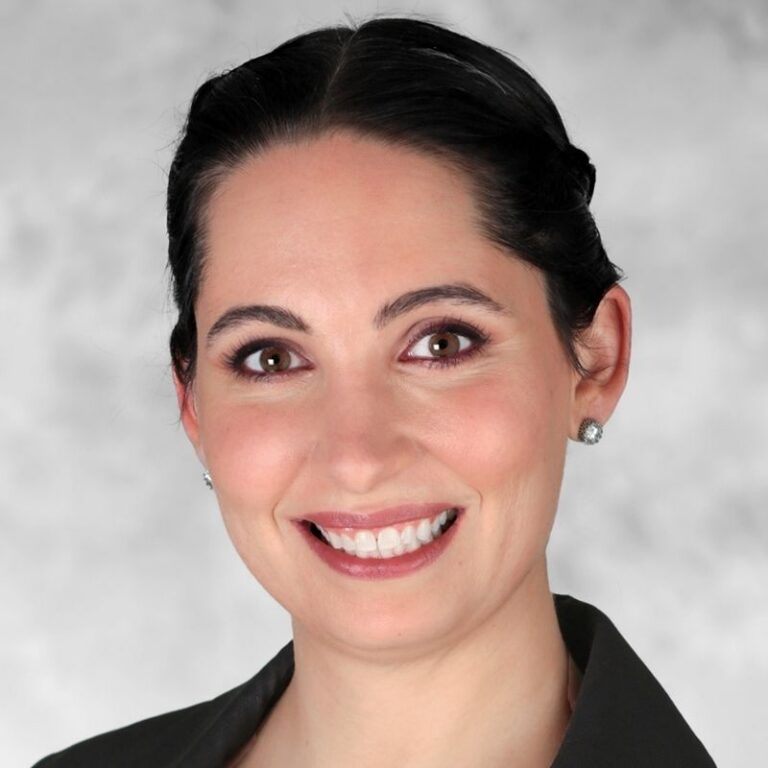
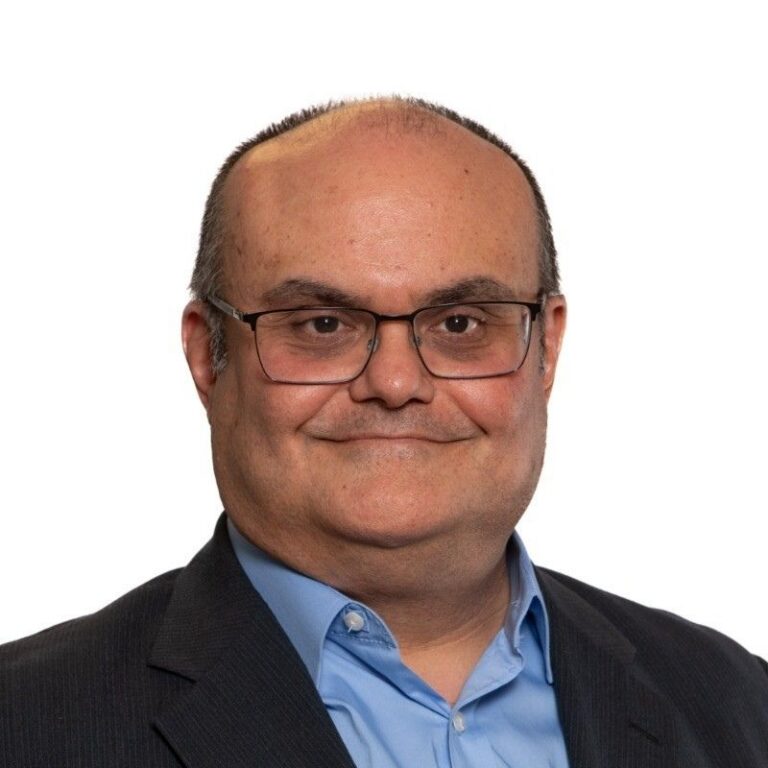
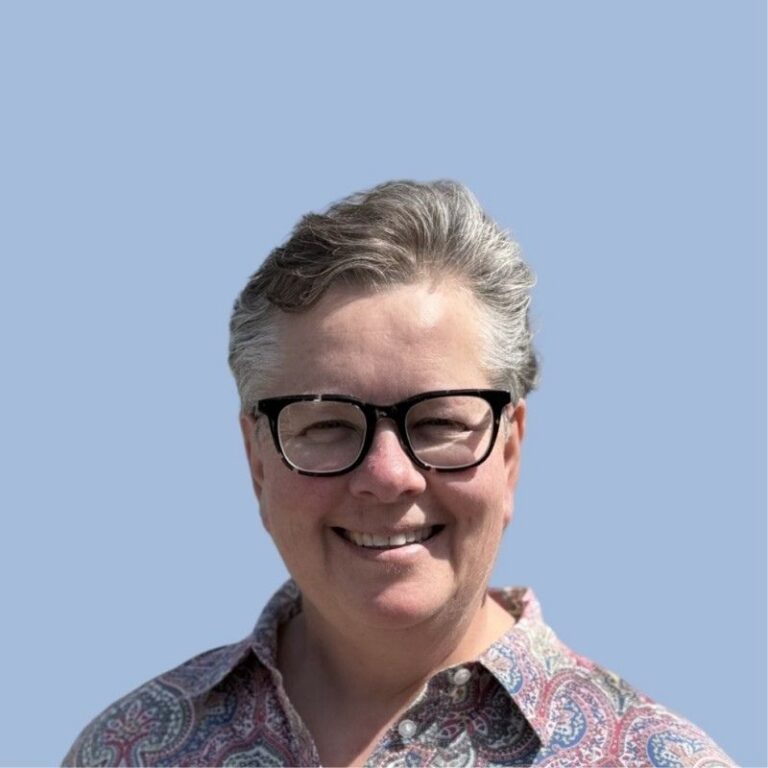
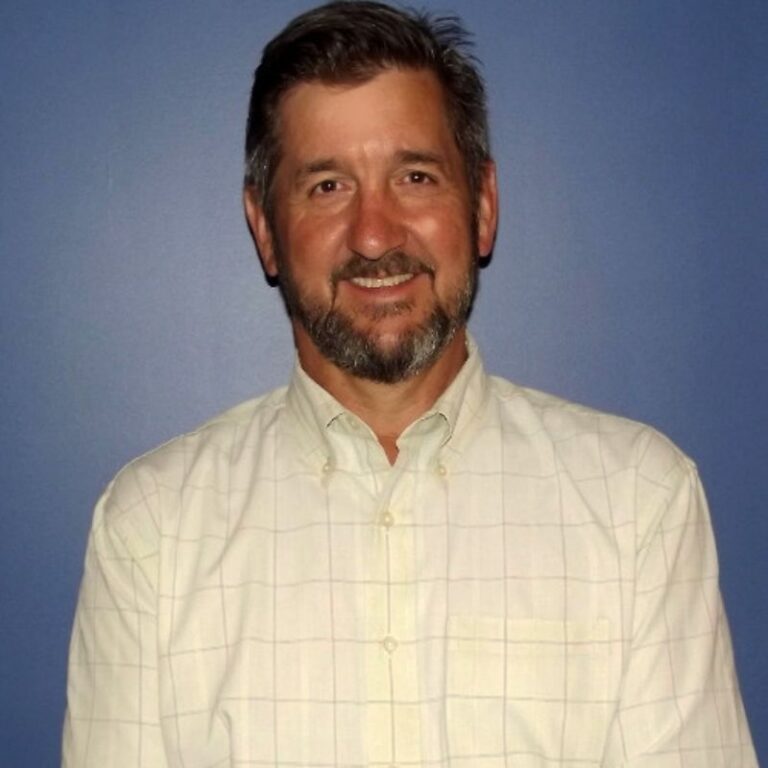
Christine Allenson
BHDDH
Peter Barbagall
Tides Family Services
Gianna Cambria
The Autism Project
Keynote
Courtney Kelly Chapman
Council on Quality & Leadership
Gary Dawson
Employers Association of the Northeast
Ariana DeAngelis
The Autism Project
Tricia Driscoll
Center for Mediation
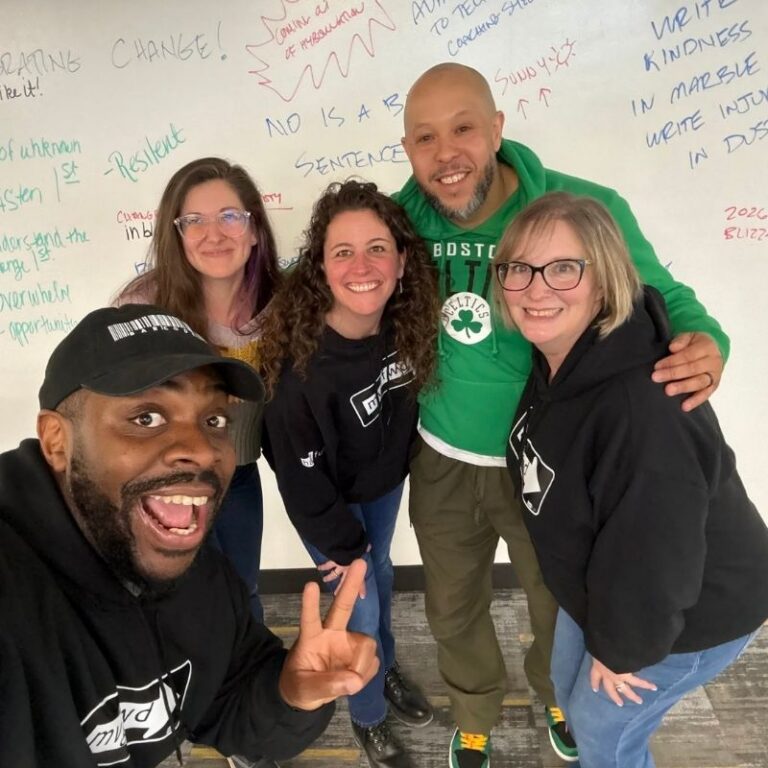
not your average facilitators
half full team
Stephen Farrelly
USI Insurance Services
Garry Foisy
Dirigo
Nick Friend
CPNRI
PJ Harder
Perspectives
Keynote
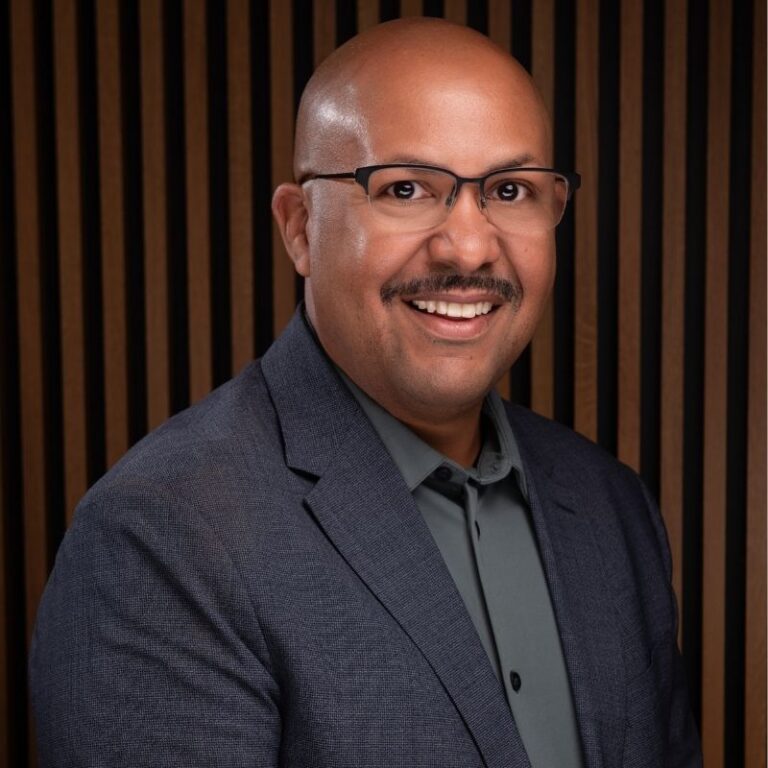
Tim Hebert
Dirigo
Heather Janci
Kibu
Emily Jewel
Autism Level Up
Susan Baylis Jewel
The Autism Project
Amy Laurent
Autism Level Up
Mary Beth Lepkowsky
Helen Sanderson Associates
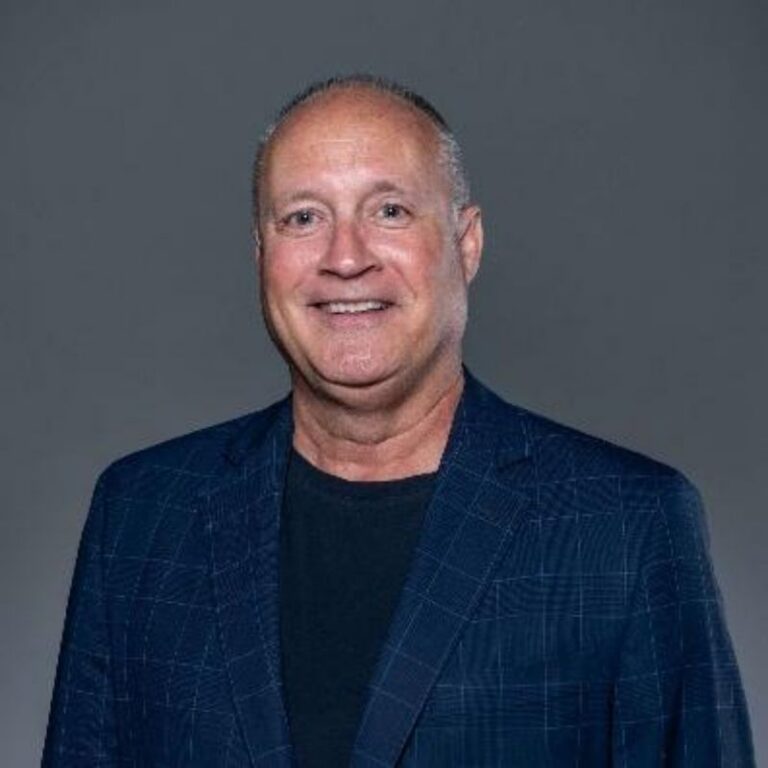
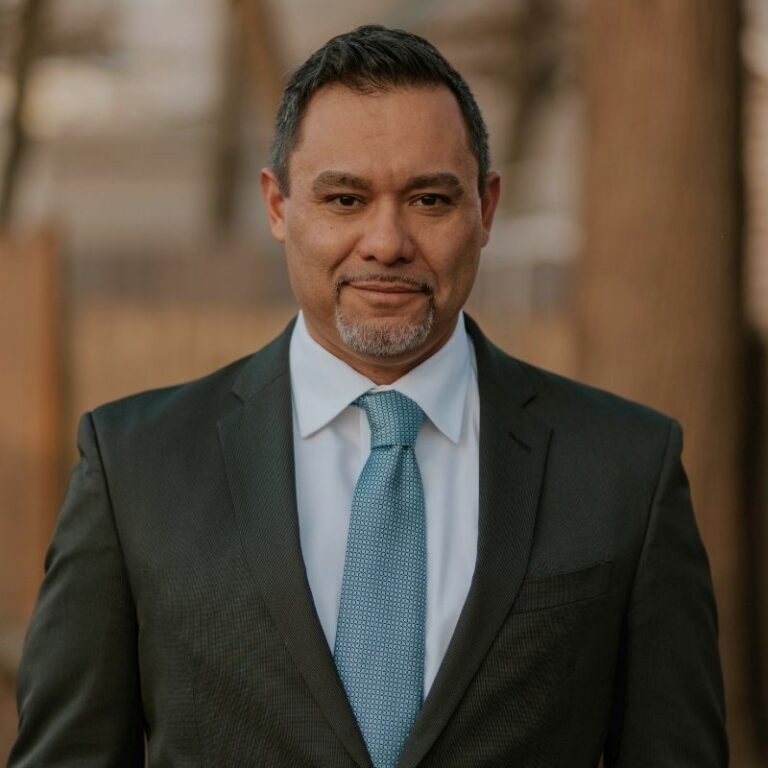
Jamie Markey
Helen Sanderson Associates
Julie Masson
Nonprofit Communications Coach
Cody Morris
Salve Regina University
Tim Nolan
Human Services Leadership Institute
Rosa Norberg
Equal Perspectives
William E. O'Gara
Pannone Lopes Devereaux & O’Gara LLC
Amy Page
Perspectives
Kelly Petersen
BHDDH
John Raffaele
NADSP
Keynote
Mary Kay Rizzolo
Council on Quality & Leadership
Anthony Rodriquez
Upstream DEI
Julia Sposato
Autism Level Up
Ariela Stein
Equal Perspectives
Ralph Tavares
Upstream DEI
Pam Thornton
Employers Association of the NorthEast

CONFERENCE SPONSORS & HIGHLIGHTS

Dirigo
Helen Sanderson
NorthEast
Human Services Leadership
Rockland
URI
CQL

HOTEL DISCOUNT

Get a discounted rate at the Crowne Plaza by using this link and group code CPN at checkout.