Many people today don’t think twice about getting on a bus, but not that long ago, for wheelchair users, it was nearly impossible.
In the late 1970s, public transportation across the United States wasn’t built for people with disabilities. Buses lacked lifts, sidewalks had no curb cuts and even leaving your block could feel out of reach.
In Denver, a group of 19 disabled activists decided to challenge that reality.
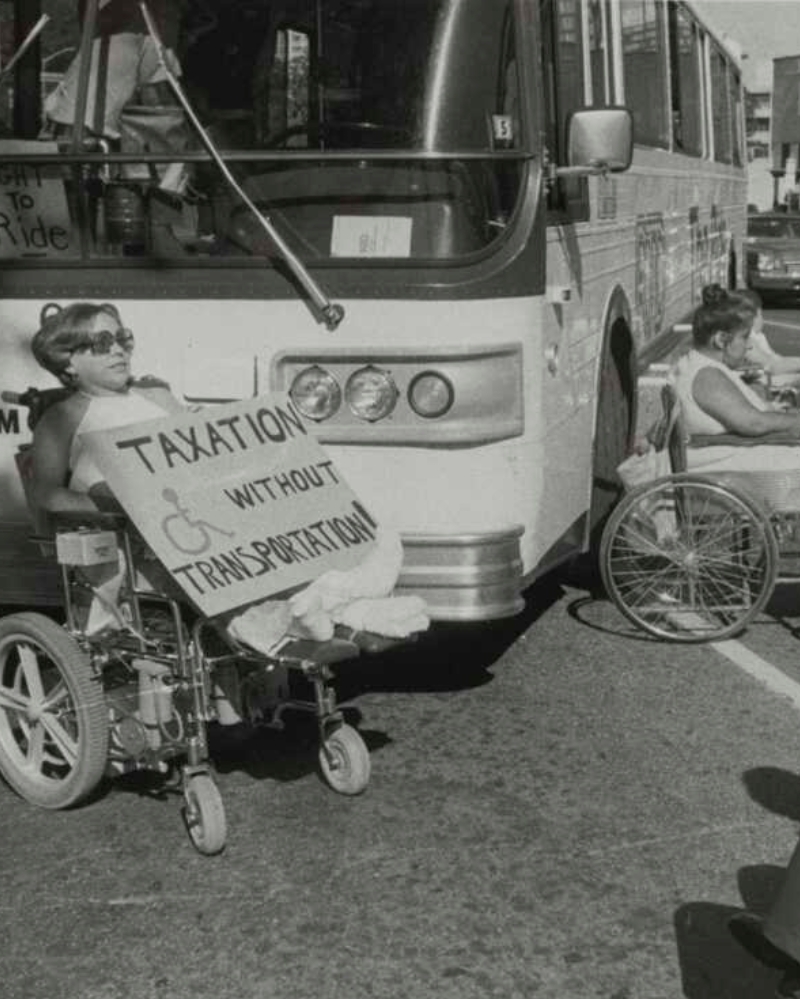
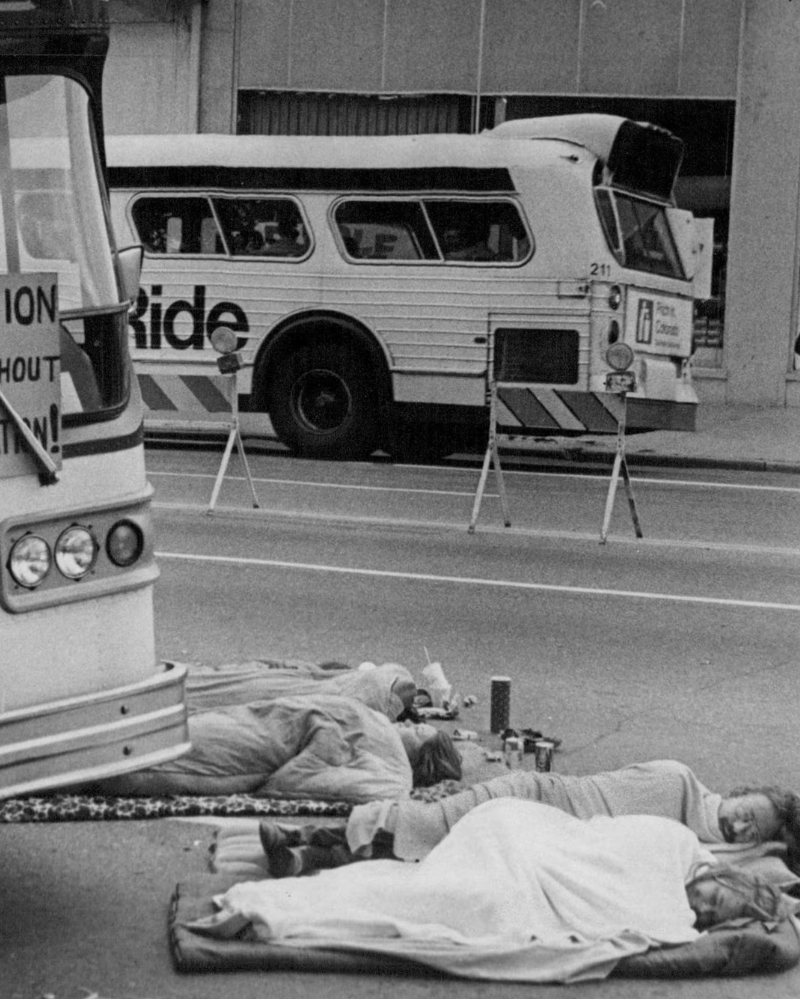
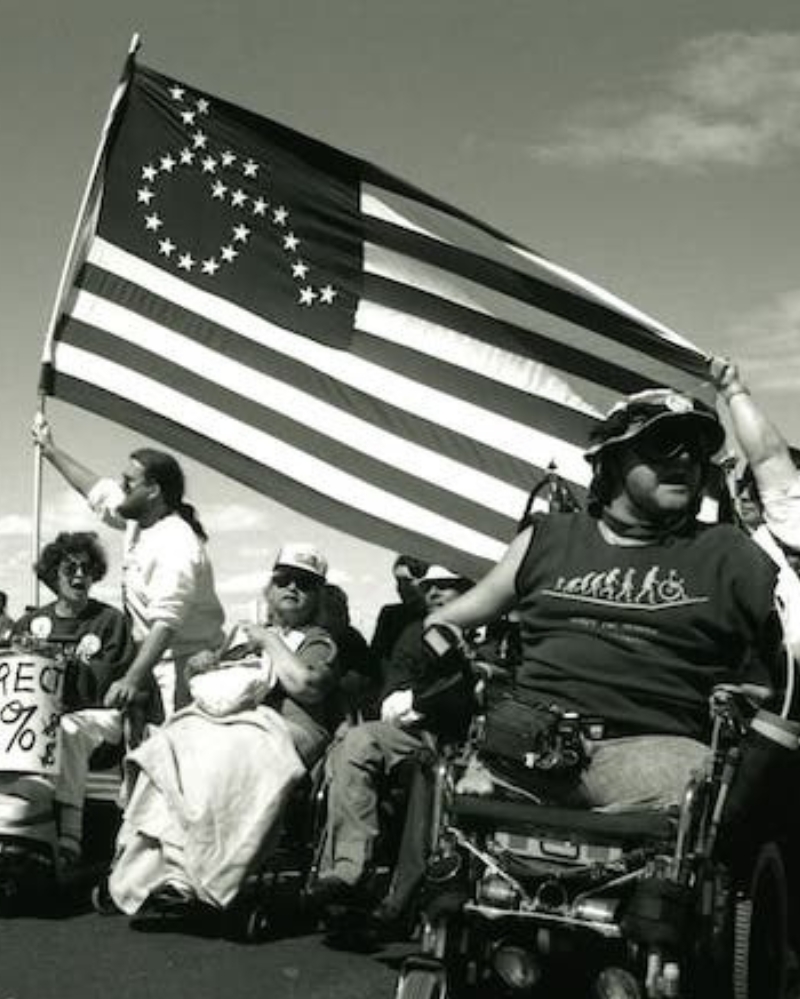
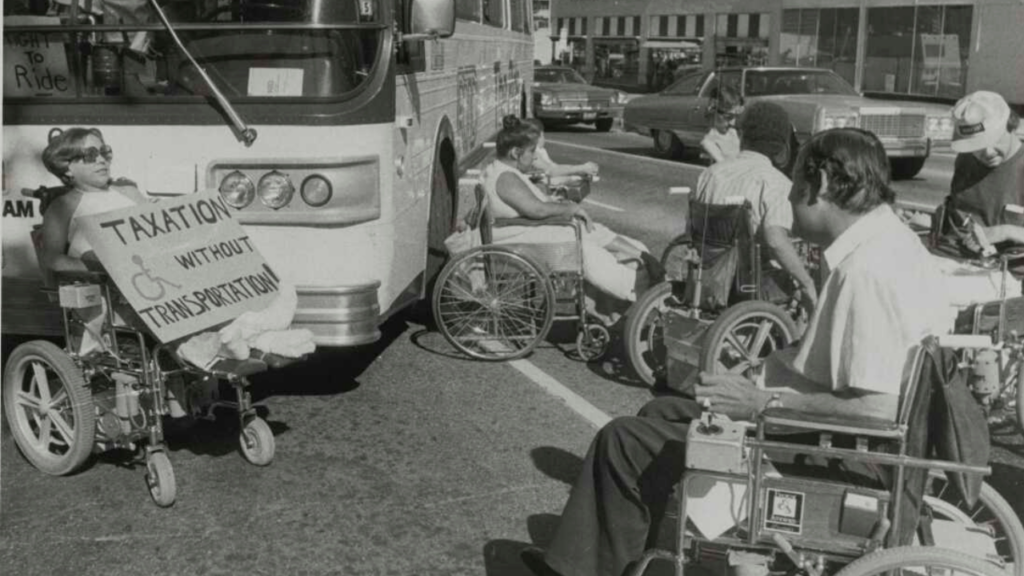
On July 5, 1978, they rolled into downtown Denver and stopped two city buses by surrounding them with their wheelchairs and refusing to move. Traffic backed up, crowds gathered, and when police arrived, they didn’t know how to respond. The protesters stayed for two days, even sleeping on the pavement overnight.
This group would later become known as the “Gang of 19.”
At the time, Denver had invested in hundreds of new buses, but almost none were accessible, leaving people with disabilities with long, exhausting trips, expensive alternatives or no options at all. Many of the activists had only recently left nursing homes and institutions and their new independence was limited if they couldn’t move freely through the city.
After losing a lawsuit, they turned to direct action and made themselves impossible to ignore. Although disability wasn’t widely seen as a civil rights issue then, this protest made it clear that access to transportation meant access to everyday life. Their rallying cries included “we will ride” and “taxation without transportation.”
By blocking the buses, the Gang of 19 showed what inaccessibility looked like in real terms. It also exposed how unprepared systems were, as police struggled to respond because even patrol cars, jails and courtrooms weren’t accessible.
Eventually, officials agreed to negotiate, committing to make a significant portion of Denver’s buses wheelchair-accessible. The Regional Transportation District (RTD) soon updated much of its fleet with accessibility features and by the mid-1980s the system became one of the first in the country to provide wheelchair access across its entire local bus network. It was a major victory and the start of a broader movement.
Members of the Gang of 19 later became part of the broader disability rights movement that helped build national momentum leading to the Americans with Disabilities Act in 1990 which guarantees accessible public transportation and prohibits discrimination.
The accessibility many people rely on today exists because of actions like this. What began as a protest to ride a bus became part of a movement that reshaped access and opportunity for millions of Americans with disabilities.